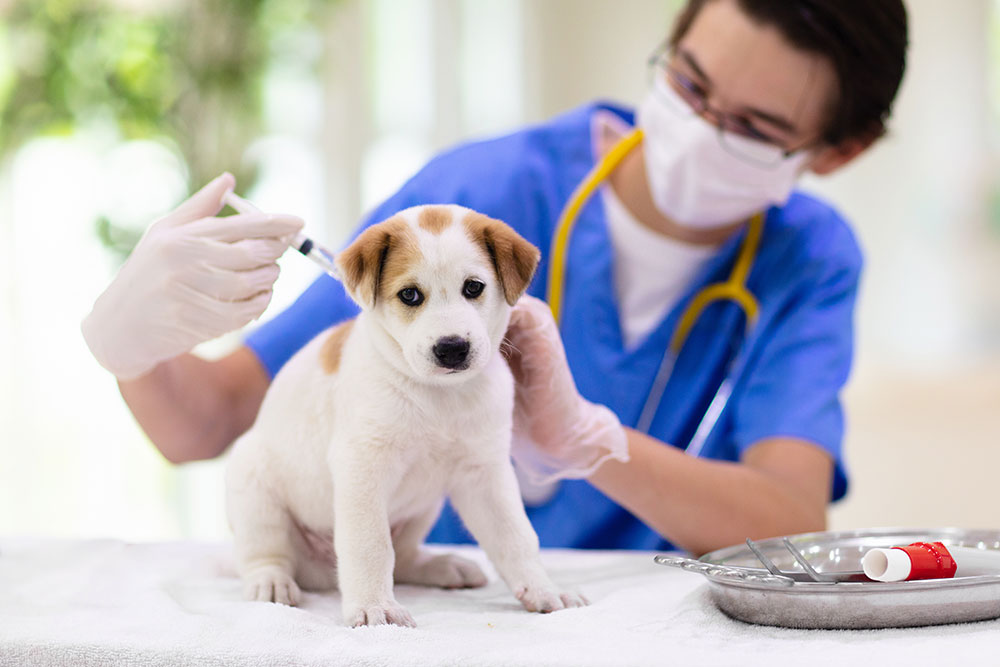
How Veterinary Hospitals Provide Comprehensive Vaccination Program Pet
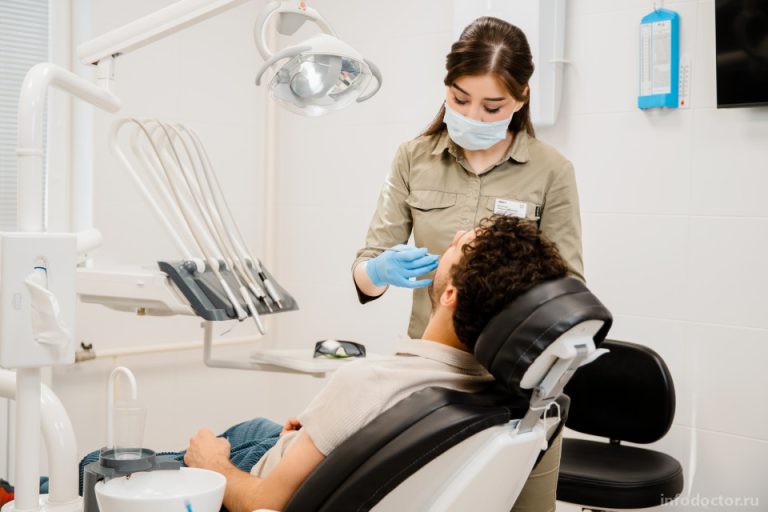
You might be feeling a mix of worry and guilt every time someone asks, “Is your pet up to date on vaccines?” You care deeply about your dog or cat, yet the schedules, the different vaccine names, and the online debates can leave you unsure of what is truly necessary and what can wait. A place like Northbridge pet dentistry can help ease your worry.
Maybe your pet had a bad reaction once, or you are watching costs, or your schedule is already stretched. At the same time, you know that one serious disease could change everything overnight. That tension is real. It is exhausting to carry it alone.
Here is the simple truth. A good veterinary hospital does not just “give shots.” It builds a thoughtful vaccination program around your animal’s age, lifestyle, and health. That means you are not guessing. You are partnering with a team that understands disease risks, safety data, and how to keep your pet protected over a lifetime.
So, what should you expect from veterinary vaccination services, and how do hospitals turn a confusing list of vaccines into a clear, safe plan you can trust?
Why do vaccines feel so confusing, and what are you really trying to protect against?
The confusion usually starts with the first puppy or kitten visit. You are handed a vaccine schedule, you see abbreviations like DHPP or FVRCP, and you are trying to listen while your new pet wriggles in your arms. It is easy to walk out thinking, “I hope that was the right choice,” without really feeling confident.
Then the questions creep in. How often do boosters need to happen? Which shots are “core” and which are optional? What if you mostly stay indoors? Can vaccines be spaced out safely? And underneath it all, there is a quiet fear. What if I miss something important and my pet gets seriously ill?
Because of that fear, you might either avoid appointments, trying to push them back as far as possible, or you might agree to everything without really understanding why. Both reactions come from the same place. You want to protect your pet, but you do not want to cause harm or waste money.
This is where a well-run vaccination program inside a veterinary hospital makes a real difference. Instead of treating vaccines as a checklist, the team treats them as one part of a broader plan to keep your pet healthy and safe.
How do veterinary hospitals design safe and thoughtful vaccination plans?
Think of a pet vaccination program as a long-term roadmap, not a single visit. A strong hospital program usually includes several key pieces that work together.
First, there is a careful health and lifestyle assessment. Your veterinarian asks where you live, whether your pet hikes, boards, travels, or goes to daycare, and whether there are children or immunocompromised people in the home. These are not small talk questions. They shape which diseases are a real risk and which are less likely.
Second, the hospital follows evidence-based guidelines rather than guessing. For dogs, many hospitals rely on the AAHA canine vaccination guidelines. These outline which vaccines are considered “core” for almost all dogs, such as rabies and distemper combinations, and which are “noncore” and tailored to lifestyle, such as leptospirosis or Lyme disease.
Third, there is a strong focus on safety and timing. Hospitals track which manufacturer’s products they use, how they are stored, and how they are administered. They also watch for reactions, especially in small breeds, older pets, or animals with a previous history of sensitivity. In some cases, they may split vaccines over more than one visit to reduce stress on your pet’s system.
Finally, the team pays attention to public health. Some diseases such as rabies are dangerous to people as well as animals. Veterinarians follow strict rules for rabies vaccination and post-exposure management, and many stay current with resources like the CDC rabies guidance for veterinarians. This protects your household and your community, not just your pet.
When these pieces come together, you are no longer facing a random series of shots. You are working with a structured, science-based plan that fits your pet’s real life.
What are the tradeoffs of different vaccination choices for your pet?
You may still be wondering how to weigh the “what if” worries. What if I vaccinate and there is a reaction? What if I do not and my pet gets sick? Seeing the tradeoffs side by side can help clarify your thinking.
| Choice | Possible Benefits | Possible Risks or Downsides | Real world example |
| Follow a full veterinary hospital vaccination plan | Strong protection from common and severe diseases. Fewer emergency visits for preventable illness. Supports public health for diseases like rabies. | Upfront cost. Low chance of mild side effects such as soreness or tiredness for a day. | A dog receiving core vaccines and lifestyle-based noncore vaccines stays healthy despite regular boarding and travel. |
| Delay or skip some recommended vaccines | Lower immediate cost. Fewer injections in the short term. | Higher risk of serious illness such as parvovirus, leptospirosis, or feline panleukopenia. Possible quarantine or legal issues for missed rabies vaccines. | A puppy that missed boosters due to cost later develops parvovirus, leading to several days of hospitalization and significant bills. |
| Rely on “indoor only” status to avoid vaccines | Less frequent visits if the pet truly never leaves the home and has no exposure to other animals. | Risk from escapes, visiting animals, or wildlife entering the home. Some viruses travel on shoes, clothing, or shared items. | An indoor cat with no vaccines becomes ill with a respiratory virus after a new foster cat briefly shares the space. |
When you see it laid out this way, it becomes clearer why veterinary hospitals tend to recommend staying on schedule, especially for core vaccines. The day-to-day cost and minor side effects are usually much smaller than the pain, risk, and expense of treating a preventable disease.
What can you do right now to feel more confident about your pet’s vaccines?
You do not have to become an expert in immunology to make good choices. You just need a few concrete steps to bring the process back under your control.
1. Ask for a written, personalized vaccine plan
At your next visit, ask your veterinarian to write out a simple plan for the next one to three years. It should include which vaccines are core for your pet, which are lifestyle-based, and when each booster is due. Keep this plan in a folder or on your phone. When you can see the roadmap, it feels less like guesswork and more like a clear agreement.
2. Talk openly about your worries and constraints
If you are worried about cost, reactions, or your pet’s age, say so clearly. A good veterinary hospital will work with you. That might mean spacing vaccines over more visits, choosing specific products for sensitive animals, or prioritizing what is most urgent. Honest conversation does not annoy your vet. It helps them protect your pet in a way that works for you.
3. Use your appointments to ask “why this vaccine, for my pet, right now”
Each time a vaccine is recommended, ask why it matters for your specific animal. You might hear that your dog’s hiking habits raise the risk of tick-borne disease, or that your cat’s boarding plans increase the need for respiratory virus protection. When you understand the “why,” decisions feel calmer and more grounded.
How do thoughtful vaccination programs support your long-term bond with your pet?
At its heart, a strong vaccination program is about giving you more healthy, ordinary days with your animal. No one wants to sit in an emergency room watching an IV drip into a tiny leg, wondering if a shot six months ago might have changed the story. The point of veterinary hospital vaccination planning is to keep you as far away from that moment as possible.
You are already doing something important by seeking clarity instead of staying stuck in worry. With a clear plan, a veterinarian you trust, and a better sense of the tradeoffs, you can move from anxious guessing to steady, informed choices. Your pet does not need you to be perfect. They just need you to keep showing up, asking questions, and saying yes to the protections that give them a safer life by your side.