Reclaiming Independence: Comprehensive Guide to Elderly Rehabilitation Therapy
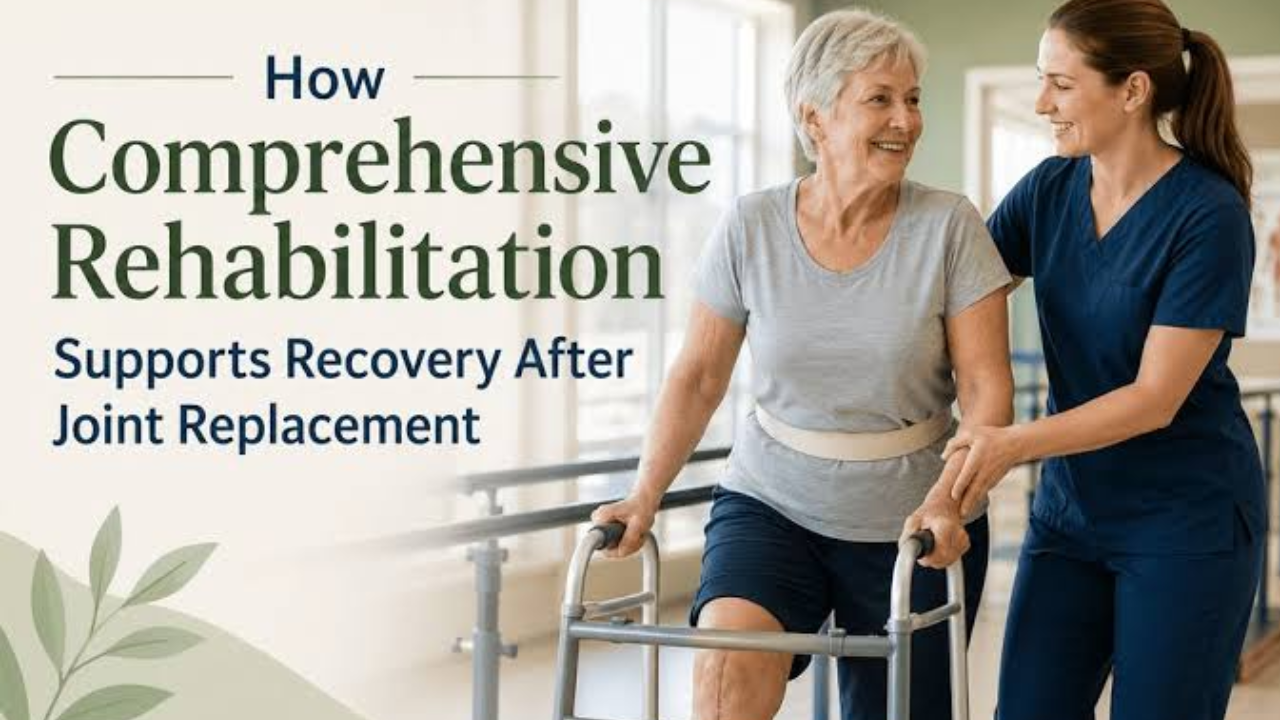
Recovering from a major surgical procedure, a severe illness, or a prolonged hospital stay is a physically and emotionally exhausting process at any age. However, for older adults, the stakes are significantly higher. The natural physiological changes that accompany aging—such as decreased muscle mass, reduced joint elasticity, and compromised bone density—can turn a brief period of bed rest into a rapid loss of functional independence.
Returning home too soon without proper clinical intervention often leads to a dangerous cycle of falls, hospital readmissions, and a declining quality of life. To ensure a safe, sustainable recovery, families and seniors must look beyond standard hospital discharge plans. Choosing highly equipped elderly rehab centers provides older adults with a specialized, multidisciplinary environment designed to restore strength, rebuild motor skills, and foster lasting confidence.
At Arbor Grace Guest Care Center in Kilgore, Texas, specialized senior rehabilitation bridges the critical gap between acute hospital care and a safe return to daily life. By combining physical therapy, occupational therapy, and speech-language pathology within a compassionate skilled nursing setting, personalized therapy plans empower older adults to overcome physical limitations and reclaim their autonomy.
Understanding the core components, clinical modalities, and long-term benefits of senior rehabilitation enables families to make informed, confident decisions during pivotal healthcare transitions.
The Critical Role of Comprehensive Rehabilitation
Senior rehabilitation is not a standardized, one-size-fits-all service. It is a highly coordinated clinical discipline that relies on distinct therapeutic branches working in unison. By addressing the full spectrum of physical, functional, and cognitive challenges, a comprehensive therapy program sets the foundation for holistic healing.
Physical, Occupational, and Speech Therapy
A premier rehabilitation program integrates three primary therapeutic disciplines, each targeting a specific area of recovery:
- Physical Therapy (PT): Focused on gross motor functions, physical therapy helps seniors rebuild core and extremity strength, improve balance, and restore natural gait mechanics. Following a hospital stay, older adults frequently experience severe muscle atrophy. Therapists utilize progressive resistance exercises, pain management modalities, and balance retraining to reduce the risk of future falls and enhance overall mobility.
- Occupational Therapy (OT): While physical therapy focuses on movement, occupational therapy focuses on function and independence. When an injury impairs a senior’s ability to care for themselves, occupational therapists step in to retrain the individual in Activities of Daily Living (ADLs). This includes strategies for safe dressing, bathing, grooming, and meal preparation. Therapists also introduce adaptive equipment—such as reachers or long-handled sponges—and teach energy conservation techniques to prevent fatigue.
- Speech-Language Pathology (SLP): Often overlooked but critically important, speech therapy addresses cognitive-linguistic challenges and swallowing disorders (dysphagia). Neurological events like strokes or the progression of dementia can severely impact a senior’s ability to communicate or swallow food safely. Speech therapists provide swallowing exercises to prevent aspiration and cognitive retraining to help residents rebuild memory, orientation, and verbal expression.
Skilled Nursing Care and Medical Oversight
Rehabilitation therapies do not exist in isolation. Many older adults enter rehab with complex medical profiles, requiring meticulous clinical management alongside their physical therapy. At Arbor Grace Guest Care Center, rehabilitation is supported by around-the-clock skilled nursing care. Licensed nurses coordinate with attending physicians to oversee medication management, monitor surgical wounds, manage chronic conditions like diabetes or hypertension, and ensure that residents remain medically stable enough to participate vigorously in their daily therapy sessions.
Determining Who Benefits from Senior Therapy Programs
Understanding exactly when and why an older adult might need inpatient rehabilitation helps families recognize the signs that additional support is required.
Post-Surgical and Hospital Recovery
The most common catalyst for elderly rehabilitation is a recent hospitalization or surgical intervention. Elective procedures, such as total hip or knee replacements, require immediate, structured post-operative rehabilitation to prevent joint stiffness and scar tissue formation. Similarly, emergency interventions for fractures, cardiac events, or severe respiratory infections leave seniors profoundly weakened. A short-term rehab stay provides a medically supervised environment where seniors can safely push their physical boundaries, gradually increasing their stamina without the fear of falling or injuring themselves at home.
Managing Chronic Illness and Age-Related Decline
Not all rehabilitation admissions follow an acute hospital stay. Many older adults experience a gradual, insidious loss of strength, mobility, or communication skills due to chronic conditions like Parkinson’s disease, advanced arthritis, or general age-related deconditioning. When everyday routines—such as navigating a staircase or getting out of a chair—become dangerously difficult, a proactive stint in a rehabilitation center can halt this decline. By rebuilding baseline strength and introducing new, safer ways to move, therapy can prolong an individual’s ability to live independently.
Creating a Personalized Care Plan for Success
The biological response to injury or illness varies drastically from person to person. High-quality rehabilitation centers recognize that rigid, generalized timelines do not work for older adults. Success relies entirely on creating, monitoring, and dynamically adjusting a personalized care plan.
The Initial Evaluation Process
Before any therapy begins, the interdisciplinary care team conducts a comprehensive intake evaluation. This process involves a deep dive into the resident’s medical history, current physical abilities, psychological state, and personal recovery goals. The clinical team reviews physician notes and hospital discharge instructions to fully grasp any clinical limitations. Furthermore, compassionate conversations with family members provide vital insights into the resident’s standard home routines, personal preferences, and the specific physical layout of the home they intend to return to.
Adjusting the Plan as Needs Evolve
A rehabilitation care plan is a living document. The combination of therapies, nursing services, and nutritional support is uniquely balanced for each resident. As the senior progresses through their program, the care team holds regular clinical meetings to monitor milestones. If a resident regains strength faster than anticipated, physical therapy exercises are intensified to maximize recovery. Conversely, if a resident experiences a setback or a change in medical status, the team can seamlessly pivot, adjusting medication or scaling back the physical demands of therapy until the resident is ready to push forward again.
The Environment: Where Comfort Meets Clinical Excellence
The physical setting in which a person recovers has a profound impact on their psychological well-being and their motivation to engage in therapy. Sterile, hospital-like environments can induce anxiety, whereas warm, homelike atmospheres encourage rest and resilience.
Newly Remodeled Private Rooms
Privacy, dignity, and comfort are essential components of healing. Arbor Grace Guest Care Center features newly remodeled private rooms dedicated to residents on a rehab-to-home trajectory. Having a quiet, personal space allows residents to decompress after rigorous therapy sessions, enjoy uninterrupted visits from family and friends, and maintain a sense of personal autonomy. A comfortable environment directly contributes to better sleep hygiene, which is scientifically proven to accelerate tissue repair and cognitive function during recovery.
A Culture of Compassion and Dignity
As a family-owned organization, Arbor Grace places a massive emphasis on building a culture of respect and attentive care. Recovery involves more than just clinical sessions; the daily interactions with nurses, therapists, and caregivers shape the resident’s emotional experience. A friendly, encouraging staff that treats residents like extended family fosters a positive mindset, turning the hard work of physical rehabilitation into a shared, uplifting journey.
Bridging the Gap: From Short-Term Rehab to Long-Term Care
The ultimate objective for the majority of short-term rehabilitation residents is a successful, safe transition back to independent living. However, the trajectory of aging is unpredictable, and healthcare needs can shift unexpectedly.
The “Rehab-to-Home” Goal
When returning home is the primary goal, discharge planning begins on the very first day of admission. Therapists work directly on the specific skills the resident will need in their unique home environment—such as navigating a certain number of stairs or safely stepping into a specific type of shower. Residential Bin Rental in Toronto Prior to discharge, the care team equips the family with comprehensive caregiver education, ensuring that loved ones understand proper transfer techniques, medication schedules, and how to support the senior without compromising their hard-earned independence.
Seamless Transition to Ongoing Nursing Support
Despite the best efforts of therapists and residents, there are instances where an older adult may plateau clinically or experience a change in health that makes returning home unsafe. One of the greatest advantages of choosing a comprehensive facility like Arbor Grace is the continuity of care. If a short-term rehab resident ultimately requires ongoing daily assistance or 24/7 medical supervision, they can smoothly transition into the facility’s long-term care program. Because the nursing staff and administration are already intimately familiar with the resident’s medical history and personal preferences, this transition is managed with maximum respect, minimizing the emotional trauma of relocating to an entirely new facility.
Take the Next Step Toward Lasting Recovery
Choosing the right rehabilitation environment is a major decision, but you do not have to navigate the next stage of care alone. With the right clinical support, a customized therapy plan, and a compassionate environment, older adults can reclaim their strength, rebuild their functional mobility, and face the future with renewed confidence.