Smart Data Center Management and Alarm Workflows in Practice

As data centers expand, maintaining accurate asset records and alarm relationships becomes as important as collecting live telemetry. For smart data center management, system interfaces shape the real outcome. Huawei Digital Power presents NetEco6000 as a data center infrastructure management system for medium and large data centers as well as prefabricated, micro, and small deployments. The emphasis is on visibility into facility operations, coordinated monitoring, and more structured maintenance work.
Build a consistent infrastructure view
A DCIM platform brings together device status, alarms, environmental readings, and facility asset information. NetEco6000 is positioned for different sizes and types of data center, but useful results depend on connecting and identifying the actual equipment installed.
An asset inventory should map power sources, UPS units, cooling equipment, racks, and sensors to physical locations. When device identities are inconsistent, technicians can receive a valid alarm yet be directed to the wrong cabinet.
Integration requires supported communication protocols, device permissions, network segmentation, and a maintained point list. A management layer can only report accurately on data that is available and trustworthy.
Link alarms to operating decisions
Monitoring software can collect status signals from cooling and power assets, presenting incidents for investigation. The value lies in distinguishing high-priority service risks from isolated warnings or duplicated messages.
Trends in temperature, power demand, and equipment state can reveal an emerging issue before a hard failure. Such signals still need validation against sensor health and recent maintenance changes.
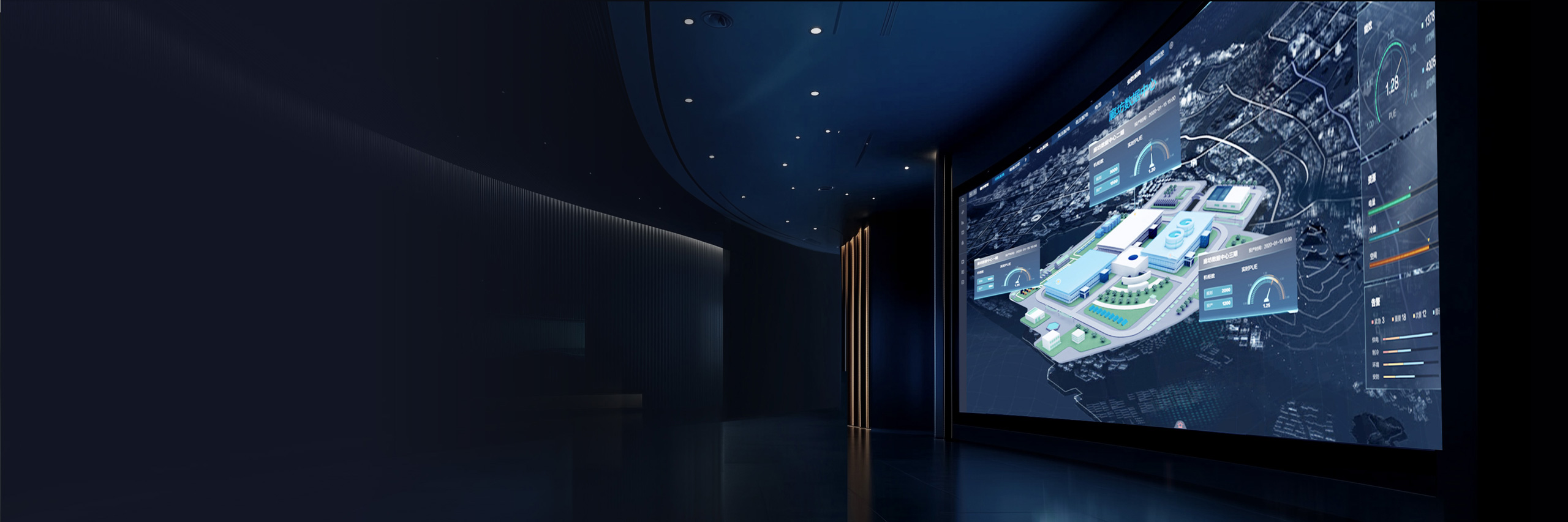
Support capacity and energy analysis
Power and cooling measurements can guide capacity planning as racks are populated or workloads change. Comparing observed data with design limits helps operators recognise constrained distribution branches or emerging thermal hotspots.
A useful energy review separates IT demand from facility overhead and examines trends over time. A dashboard number is not a substitute for correctly placed and calibrated meters.
Historical records can help teams understand whether efficiency changes relate to ambient conditions, equipment load, or a fault. Such interpretation should avoid attributing every variation to the control platform itself.
Energy reporting is stronger when the meter boundary is documented. Data from different distribution levels should not be summed as though each reading were an independent energy source.
Roll out across different facility formats
NetEco6000 is described for medium and large, prefabricated outdoor, and small or micro data center settings. The deployment model may vary, but consistent tagging and access control remain essential.
Critical equipment must retain local safety and protective functions if the management system or network is unavailable. Central monitoring should improve visibility without replacing the devices that enforce electrical and thermal limits.
Smart data center management is ultimately a discipline of turning reliable facility data into timely operational action. NetEco6000 offers an infrastructure supervision layer; its effectiveness depends on integration quality, sensible alarms, accurate assets, and trained operators. For smart data center management, Commissioning records and a clear service plan provide a sound basis for evaluating ongoing performance.