How the Setting Shapes a Morganite’s Color and Light
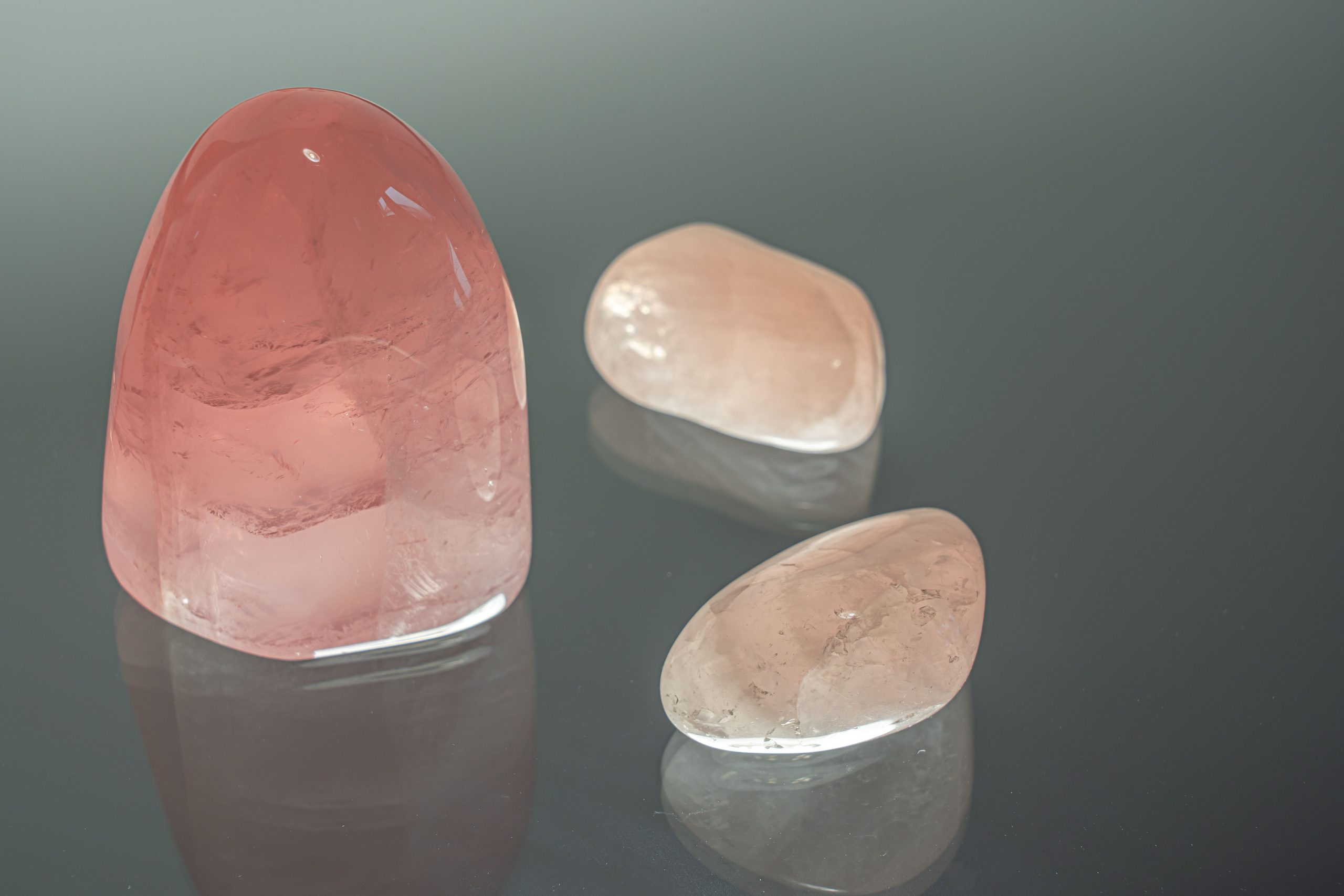
Morganite is prized for a soft, peachy-pink glow that feels warm without shouting for attention. Yet two rings holding stones cut from the same rough can look surprisingly different once they are set. The reason is rarely the stone alone. The setting – the metal cradle, the prongs, the presence or absence of a halo, the height of the profile – acts like a frame around a painting, deciding how much light reaches the gem and which undertones the eye notices first. For anyone planning an engagement ring around this gentle gem, understanding that relationship is the difference between a stone that reads pale and flat and one that glows from within.
This guide walks through the main setting decisions and how each one treats a morganite’s color and brilliance. None of these choices is universally right or wrong. They are trade-offs, and the best combination depends on the cut you love, the daily life the ring has to survive, and the exact hue of your particular stone. If you are approaching the process from scratch, thinking through these variables early is a practical part of building a custom engagement ring that flatters the gem rather than fighting it.
Prong, Bezel, and Halo: Three Ways to Hold a Peach Stone
The way a morganite is secured is the single biggest influence on how it handles light. A prong setting lifts the stone above the band and holds it with slim metal claws, leaving the sides and much of the underside open. That openness lets light enter from many angles, pass through the gem, and bounce back to the eye, which tends to maximize sparkle and keep the peach tone looking bright and lively. Because morganite is often a lighter gem, that extra light can be exactly what makes the color feel saturated rather than washed out.
A bezel setting wraps a thin rim of metal fully or partly around the stone’s edge. It is sleek and protective, and it gives a clean, modern outline. The trade-off is that the surrounding metal frames the color and can subtly influence it: a warm-toned rim can deepen the perceived pink, while a cool rim can make the same stone read crisper and cooler. A bezel typically allows a little less side light in than open prongs, so it can make a pale stone look slightly more contained and concentrated.
A halo rings the center stone with a circle of small accent gems. Beyond adding sparkle, a halo of colorless accents can make a modest morganite appear larger and can heighten its color by contrast, the pink glowing against the surrounding brightness. That contrast effect is one reason halos remain a favorite for softer-hued center stones.
Hidden Halos and Accents That Work Behind the Scenes
Not every accent has to sit in plain view. A hidden halo places a ring of tiny stones just beneath the center gem, visible mainly from the side profile rather than from directly above. This preserves a clean face-up look while adding a quiet flash of light around the girdle and a sense of lift. For morganite, a hidden halo can introduce extra brilliance without diluting the calm, uncluttered top view that suits the stone’s understated character.
Accent stones along the band, sometimes called pave or shoulder stones, play a similar supporting role. They draw light toward the center and create a gradient of sparkle that leads the eye to the morganite. Used sparingly, accents flatter the peach hue; used heavily, they can compete with it. The goal is a setting where the supporting cast points toward the star, never upstages it.

The setting decides how much light reaches the stone.
Metal Tone Beside a Peach Gem
Because color is relative, the metal touching a morganite quietly shifts how its hue reads. Warm-toned metals such as rose and yellow shades sit in the same family as the stone’s peach and pink notes, so they tend to reinforce and deepen the warmth, giving a romantic, blended effect where ring and gem feel like one continuous glow. Rose tones in particular are a natural companion because they echo the pink directly.
Cooler, white-toned metals take the opposite approach. Sitting next to a peach stone, a white metal creates gentle contrast that can make the pink look fresher and more distinct, letting the color stand apart from the band rather than melting into it. Neither approach is better; one emphasizes harmony, the other emphasizes definition. The right pick depends on whether you want the morganite to whisper or to pop, and on the undertone of your specific stone, since some lean more pink and others more apricot.
Low Profile Versus High Profile for Daily Wear
Profile describes how high the stone sits above the finger. A high-profile setting raises the morganite well off the band, which showcases the stone dramatically and lets light pour in from the sides, often heightening brilliance and making the gem the clear centerpiece. It is elegant and eye-catching, and it makes the color easy to admire from many angles.
A low-profile setting nestles the stone closer to the finger. It offers a more grounded, streamlined look and keeps the gem tucked in, which many people prefer for hands-on, active routines because the ring is less likely to catch on clothing or knock against surfaces. The lower seat can slightly change how side light reaches the stone, so brilliance is presented in a calmer, more contained way. Thinking about how the ring fits into an ordinary day is just as important as how it looks in a jewelry box, since an engagement ring is worn constantly.
How the Setting Protects and Presents the Stone at Once
A good setting does two jobs simultaneously: it guards the gem and it displays it. Morganite is reasonably durable but, like any gem, its edges and the culet beneath benefit from thoughtful protection. A bezel or a partial bezel shields the girdle, the most exposed edge, making it a sensible choice for someone who wants security and does not mind trading a little open-side sparkle for peace of mind. Prongs expose more of the stone and therefore more light, but well-made, properly rounded prongs still cradle the gem firmly.
Presentation and protection often pull in opposite directions, and the setting is where you balance them. More open metal usually means more light and more color, while more enclosing metal usually means more shelter. The skill lies in choosing the point on that spectrum that matches both your taste and your lifestyle. Browsing thoughtfully assembled designs can make the trade-offs concrete, and looking through this curated bridal selection is a useful way to see how different settings present the same gentle hue in practice.
Matching the Setting to the Cut
Finally, the cut of the morganite and the setting should be chosen together, because each cut interacts with light differently. Brilliant-style cuts such as round and oval are covered in facets designed to scatter light, so they pair naturally with open prongs or a halo that feeds them even more brightness. Step cuts such as emerald and Asscher use long, mirror-like facets that produce broad flashes and a clear, glassy window into the stone rather than sparkle. Those cuts show the body color of a morganite very honestly, so the setting’s job is to support that clarity – a clean bezel or a restrained halo often suits them beautifully.
Fancy shapes such as pear, cushion, and marquise each have points or curves that call for prong placement tuned to guard the vulnerable spots while keeping the outline crisp. When the cut and the setting are considered as a single decision rather than two separate ones, the result is a ring where nothing works against the gem and every element pushes light and color toward the eye.
The Takeaway
A morganite’s peachy-pink beauty is not a fixed property of the stone; it is a conversation between the gem and everything holding it. Prongs and open profiles invite light and brilliance, bezels and low profiles offer containment and shelter, warm metals deepen the hue while cool metals sharpen it, and halos and hidden accents add contrast that flatters a softer color. Choose those elements in harmony with the cut you love and the life you lead, and the setting stops being mere hardware. It becomes the frame that lets a quiet, romantic gem glow exactly the way you imagined.