What a Personal Injury Attorney Looks for in Employer Injury Reports in Huntsville AL

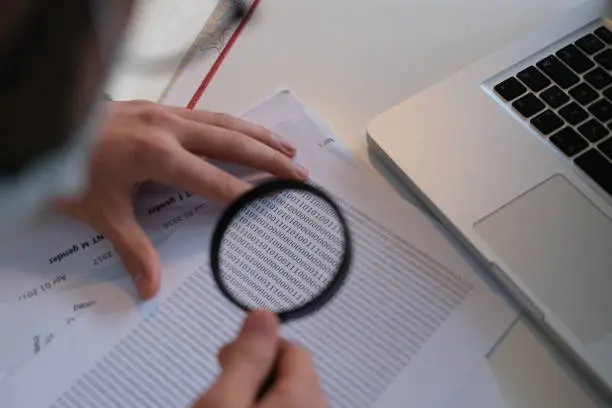
Workplace injury reports often appear straightforward, but experienced legal eyes read them very differently. These documents can influence workers compensation decisions, insurance responses, and potential personal injury claims. A personal injury attorney reviewing an employer injury report looks beyond checkboxes and summaries to understand what the document truly reveals—and what it may leave out.
Also Read: Benefits Of Wetherill Park Physiotherapy For Speedier Recovery
Contents
- 1 Clear Explanation of How and When the Injury Happened
- 2 Whether Details Match What the Employee Reported
- 3 Notes on Who Witnessed the Accident and What They Said
- 4 Whether Safety Steps Were Followed Before the Crash
- 5 Any Signs the Report Skims over Important Facts
- 6 How Specific the Descriptions Are About Injuries
- 7 Whether Vehicle Conditions Are Noted in the Report
- 8 If the Timeline Aligns with Medical Treatment Dates
- 9 Any Language That Shifts Blame Without Evidence
Clear Explanation of How and When the Injury Happened
One of the first things a personal injury attorney examines is whether the report clearly explains how the injury occurred. Vague phrases like “hurt on the job” or “incident during shift” raise immediate concerns. A strong report should describe the task being performed, the sequence of events, and the exact moment the injury took place.
Timing matters just as much as description. Attorneys look for specific dates and times and compare them to work schedules and job duties. A personal injury lawyer Huntsville AL knows that unclear timing can later be used to question whether an injury truly happened at work.
Whether Details Match What the Employee Reported
Consistency between the employer report and the employee’s account is critical. Attorneys compare wording, descriptions, and details line by line. Even small differences—such as how a fall occurred or which body part was affected—can later become points of dispute.
Discrepancies do not automatically mean dishonesty, but they matter. A personal injury lawyer near me will want to understand whether the employer summarized the employee’s statement accurately or altered it in subtle ways that could reduce claim strength.
Notes on Who Witnessed the Accident and What They Said
Witness information often determines how credible a report appears. Attorneys check whether witnesses are named, how many were present, and whether their statements are included or merely referenced. Missing witness details can weaken the report’s reliability. What witnesses said is equally important. A personal injury attorney looks for direct observations versus assumptions. Statements like “appeared careless” raise red flags, while factual observations such as “slipped on wet floor near loading dock” carry more weight.
Whether Safety Steps Were Followed Before the Crash
Employer reports often include sections about safety procedures. Attorneys review whether safety steps were documented clearly and realistically. Generic statements such as “all safety protocols were followed” are often scrutinized. A personal injury lawyer evaluates whether training, equipment, or warnings were actually in place. If safety steps are listed without explanation, it may suggest an attempt to protect the employer rather than accurately document conditions.
Any Signs the Report Skims over Important Facts
Skimming is not always obvious. Attorneys look for missing context, abrupt summaries, or sections that seem rushed. Short answers where detailed explanations are expected often indicate information was minimized. An experienced personal injury attorney knows that what is omitted can be just as important as what is included. Skipped details about equipment condition, environmental hazards, or workload can significantly affect workers compensation outcomes.
How Specific the Descriptions Are About Injuries
General injury descriptions rarely help injured workers. Attorneys look for specificity—exact body parts, type of pain, and immediate symptoms. Phrases like “minor injury” without explanation are often challenged. A personal injury lawyer Huntsville AL compares the injury description to medical records. If the report downplays symptoms that later required treatment, that gap becomes a key issue in personal injury and workers compensation claims.
Whether Vehicle Conditions Are Noted in the Report
In work-related vehicle incidents, attorneys carefully review how vehicles are described. Were brakes, tires, lights, or warning systems mentioned? Lack of detail about vehicle condition can raise serious concerns. A personal injury attorney considers whether mechanical issues contributed to the accident. Employer reports that ignore vehicle condition may fail to capture factors critical to establishing fault or liability.
If the Timeline Aligns with Medical Treatment Dates
Attorneys closely compare injury report timelines with medical treatment records. Delays between the reported incident and medical care often draw scrutiny from insurers. A personal injury lawyer near me looks for explanations tied to shift schedules, emergency response, or reporting delays. When timelines align clearly, claims tend to face fewer challenges.
Any Language That Shifts Blame Without Evidence
Subtle wording can significantly affect how a report is interpreted. Attorneys watch for language that assigns fault without facts, such as “employee failed to pay attention” or “employee error caused injury.”
A personal injury attorney evaluates whether conclusions are supported by evidence or merely opinion. Unsupported blame-shifting language often becomes a focal point in disputes over personal injuries and workers compensation benefits.
If you experience a personal injury at work and need guidance with a workers’ compensation claim, you can turn to Wolfe Jones for clear direction and informed support. Their team helps injured workers understand their rights, understand how employer reports and medical records affect a claim, and address issues that may delay or reduce benefits. With experience handling complex injury cases, Wolfe Jones works to protect workers’ interests while pursuing fair and timely compensation.