How Different Jacket Fabrics Affect Comfort, Warmth, and Breathability
Selecting an effective outer layer requires an understanding of how raw fibers, yarn spinning methods, and surface treatments interact with human physiology. When moving between cold outdoor winds and heated interior environments, the human body continuously generates heat and moisture vapor that must be managed to maintain comfort. Choosing garments made from inappropriate materials can lead to rapid heat loss in chilly drafts or damp overheating during active physical exertion.
Understanding the various types of jacket fabrics is the first step toward building an adaptable wardrobe. Rather than producing heat independently, outerwear materials function as protective shields and thermal barriers that regulate how quickly radiant warmth leaves your skin and how efficiently moisture escapes into the open atmosphere.
The Thermodynamics of Apparel Textiles
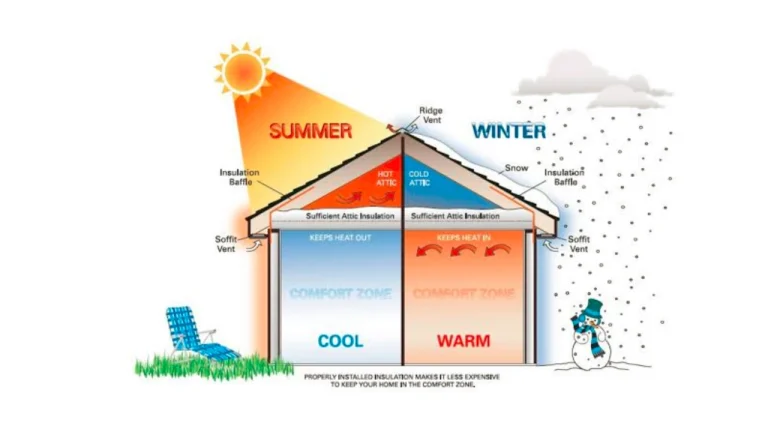
The primary function of any cold-weather textile is managing dead air space. Dry, still air has remarkably low thermal conductivity, making it one of nature’s most effective thermal buffers. When fabric fibers create millions of tiny, interconnected chambers where air cannot circulate freely, convective heat transfer drops significantly, preserving the warm microclimate generated by the body.
At the same time, the textile must allow water vapor from perspiration to escape before it condenses into liquid against the skin. If perspiration remains trapped inside a garment, it saturates inner shirts and causes rapid evaporative chilling as soon as movement slows down.
Balanced outerwear achieves this performance through specialized weaves and knit patterns. Classic silhouettes such as wholesale bomber jackets demonstrate this principle by pairing dense, wind-deflecting nylon or polyester exterior faces with soft, moisture-wicking inner linings, keeping the wearer shielded from cutting drafts while maintaining a comfortable internal humidity level.
The Physics of Synthetic Fleece
When evaluating fleece fabric properties, polyester microfibers offer distinct advantages over traditional heavy wools. Synthetic fleece is produced by knitting fine polyester yarns into small loops, which are subsequently sheared and brushed through a mechanical napping process to create a soft, high-pile surface.
This brushed structure forms a lofty matrix that traps radiant heat directly against the torso without adding heavy physical mass. Because polyester fibers are naturally hydrophobic, they absorb less than one percent of their weight in liquid water. If exposed to light precipitation or high humidity, a quality wholesale fleece jacket maintains its mechanical loft and continues to insulate effectively, drying in a fraction of the time required by natural animal fibers.
Understanding how synthetic fibers manage trapped air explains why lightweight polyester knits have become indispensable mid-layers across industrial, athletic, and casual settings alike.
Natural versus Synthetic Fiber Performance
The ongoing debate surrounding synthetic versus natural fabrics highlights different design priorities. Natural fibers like wool, goose down, and heavy cotton canvas offer proven organic performance. Merino wool, for example, excels at absorbing substantial moisture vapor without feeling damp to the touch, and natural down delivers an exceptional warmth-to-weight ratio in dry, freezing conditions.
However, natural fibers present drawbacks when exposed to wet outdoor conditions. Wet cotton fibers flatten and hold moisture against the skin, while wet down clusters collapse into a flat mass, losing their insulating pockets completely.
Synthetic polymers like nylon and polyester provide superior resistance to abrasion, tearing, and moisture absorption. When engineered into ultra-fine filaments, synthetic materials can be woven tightly enough to block moving wind currents while allowing perspiration vapor to vent through the fabric weave.
Breathability and Vapor Permeability in Modern Outerwear
Insulating the body is only half the battle; preventing the buildup of clammy moisture is equally essential for long-term comfort. Breathable outerwear materials rely on microscopic pores or chemical diffusion to move humidity away from the skin.
In densely woven technical shells, the microscopic gaps between individual yarn strands are large enough to let water vapor molecules pass out into the ambient environment, yet tight enough to deflect sudden wind gusts.
Advanced laminated membranes take this dynamic further. By bonding a microporous polyurethane film behind a durable woven face, fabric mills create barriers with pores thousands of times smaller than a liquid raindrop, but hundreds of times larger than an individual water vapor molecule. This molecular architecture keeps external rain and sleet on the outside while allowing internal sweat vapor to vent freely during brisk physical activity.
Sourcing Standards and Supply Discipline
Modern garment manufacturing bridges the gap between laboratory textile science and practical everyday styling. Developing outerwear that withstands continuous wear requires consistent fiber blends, clean seam construction, and durable surface treatments that remain intact through repeated laundry cycles.
Suppliers such as Simplstc Apparel utilize these performance-driven production techniques to build durable, minimalist outerwear that balances high-efficiency insulation with modern casual styling. Accessing professional technical lines through platforms such as simplstcapparel.com demonstrates how thermal engineering, clean pattern tailoring, and high-tenacity shell materials can come together to keep wearers comfortable without the excessive weight and bulk of traditional winter garments.
Inspecting stitching tension, zipper durability, and fabric hand-feel ensures that finished garments deliver dependable weather protection and long-term durability across diverse environments.
Mastering Personal Climate Control
Achieving reliable comfort in fluctuating weather comes down to understanding how textiles handle heat, wind, and moisture. By combining moisture-wicking synthetic base layers, high-loft fleece mid-layers, and wind-blocking exterior shells, you build a versatile system that adapts easily to shifting outdoor conditions.
Knowing how jacket fabrics retain heat turns seasonal dressing into an informed science, ensuring you stay warm, dry, and comfortable across every environment.