Why Animal Hospitals Are Essential For Long Term Preventive Care
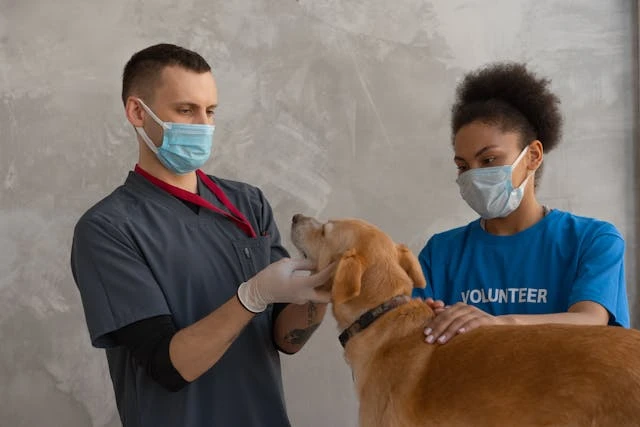
You might be feeling a mix of love and worry every time you look at your pet. Maybe there was a recent scare. A strange cough that would not stop, a limp that came out of nowhere, or bloodwork that showed something “borderline” and left you with more questions than answers.
Also Read: Why Outsourcing To An Accounting Firm Improves Efficiency
You want to do the right thing, you do not want to overreact, and at the same time you never want to be caught off guard by a serious illness, so finding a trusted veterinarian in Baytown, TX can bring you peace of mind end. Because of this tension, you might wonder if regular visits to an animal hospital for preventive care are really necessary. Is it just routine, or does it genuinely change how long and how comfortably your pet lives. The short answer is that consistent care through a trusted animal hospital often means earlier answers, lower long term costs, and many problems that never get the chance to turn into emergencies.
So this is the big picture. Long term preventive care at an animal hospital is about more than vaccines and nail trims. It is about building a quiet safety net around your pet’s life. It protects their health, reduces your stress, and helps you avoid those 2 a.m. panicked drives to emergency care as much as possible.
Why does preventive care at an animal hospital matter so much?
Think about how many changes in your pet’s body you do not see. Cats hide pain extremely well. Dogs often stay playful even when something is brewing under the surface. By the time a problem is obvious at home, it may already be advanced.
At an animal hospital focused on ongoing wellness, your pet is seen at regular intervals by a team that knows them. That means weight trends are tracked, small changes in heart sounds are noticed, and tiny lumps are measured over time instead of discovered years later. Routine tests can uncover conditions like kidney disease or diabetes early, when treatment is simpler and outcomes are better.
Without this kind of preventive care, you are often reacting instead of planning. A cat that has not had regular veterinary care might suddenly end up in crisis with urinary blockage. A dog that missed parasite prevention could develop heartworm disease. These are not rare stories. They are the kinds of cases animal hospitals see every week, and many of them started with “We meant to come in sooner.”
What challenges make long term pet care feel so hard?
It is not that you do not care. It is that real life gets in the way. You juggle work, family, money, and your own health. It is easy to push the annual exam a few months, then a year, then longer. You may also have doubts. Maybe your pet seems perfectly fine. Maybe a past visit felt rushed or expensive, so you hesitate to go back.
There is the emotional weight too. Going to an animal hospital can stir up fear. What if they find something serious. What if the treatment costs more than you can afford. It can feel safer not to know. Yet that temporary relief often turns into deeper regret when a preventable problem becomes a crisis.
Financially, preventive care can feel like “one more bill” in a busy year. But compare that with the cost of emergency surgery, hospitalization, or long term medications that might have been reduced or avoided. For example, keeping up with parasite prevention and vaccines is far less costly than treating heartworm disease or severe respiratory infections. Guidance from resources like these veterinary preventive care tips can also help you focus on what truly matters for your pet’s stage of life.
So where does that leave you. It leaves you needing a realistic, sustainable plan that fits your life and still protects your pet for the long run.
How do animal hospitals support your pet’s health over a lifetime?
When you choose long term care through an ongoing veterinary hospital relationship, you are doing more than booking the next appointment. You are building a record and a partnership.
Over time, your veterinary team learns what is normal for your pet. That makes it easier to catch what is not normal. A small weight loss in a senior cat, a change in breathing in a middle aged dog, or a new behavior that suggests pain can be picked up early. This is especially important for cats, who often hide discomfort. The Centers for Disease Control and Prevention offers helpful background on healthy living with cats, which pairs well with advice from your local animal hospital.
Preventive care visits usually include a physical exam, tailored vaccine plans, parasite checks, dental evaluations, and sometimes bloodwork or imaging. Each visit is a chance to adjust nutrition, behavior strategies, and home care. This is what turns “going to the vet once in a while” into true preventive care.
In other words, an animal hospital is not just where you go when something is wrong. It is where you go so fewer things go wrong in the first place.
Preventive animal hospital care vs “wait and see” at home
It can help to look at the choice you face in simple terms. Do you wait for problems, or do you try to stay ahead of them. The differences can be surprisingly clear.
| Approach | What It Looks Like | Short Term Impact | Long Term Impact |
| Regular preventive care at an animal hospital | Annual or semiannual exams, vaccines, parasite prevention, routine tests, ongoing records | Predictable costs, some time spent on visits, early answers to small concerns | Earlier detection of disease, fewer emergencies, better quality of life, more control over expenses |
| “Wait and see” at home | Visits only when pet is sick or injured, no consistent records, home remedies tried first | Lower costs in quiet periods, less time at the clinic, temporary sense of relief | Higher risk of late diagnosis, more emergency visits, higher one time bills, greater emotional stress |
| Mixed approach | Some routine care, but exams often delayed, vaccines or tests skipped, no clear schedule | Unpredictable costs, uncertainty about what is actually needed | Gaps in care, missed trends in health, preventable problems slipping through |
When you see it laid out this way, it becomes clearer why long term preventive care through an animal hospital is not a luxury. It is a way of protecting both your pet and your future self from avoidable crises.
What can you do right now to protect your pet’s future?
1. Schedule a wellness check and bring your questions
If it has been more than a year since your pet’s last exam, or if you are not sure when they were last seen, this is the first step. Book a wellness visit with a trusted animal hospital. Before you go, write down any concerns, even small ones. Changes in thirst, appetite, energy, or litter box habits all matter. Ask about age appropriate tests, vaccine needs, and parasite prevention. This turns a single visit into the foundation of a longer plan.
2. Create a simple preventive care calendar
Once you have guidance from the veterinary team, put key dates into your phone or planner. Annual or semiannual exams, heartworm and flea prevention refills, dental cleanings when recommended, and any follow up tests should all be on your radar. You do not need to memorize everything. You just need a clear reminder system so care does not quietly drift off your list.
3. Plan financially in small, steady steps
Preventive care becomes easier when you spread the cost over time. You might set aside a small amount each month in a separate savings envelope or account labeled for pet care. Some animal hospitals offer wellness plans or packages that break services into monthly payments. You can also ask your veterinarian which services are most important for your pet right now, so you can prioritize wisely instead of trying to do everything at once.
Moving forward with more confidence and less fear
You care deeply about your pet, and that care sometimes shows up as worry. That is completely human. The good news is that you do not have to carry that worry alone. By choosing steady, long term preventive care through an animal hospital, you give your pet comfort and protection, and you give yourself fewer painful surprises.
You do not need to have everything figured out. You only need to take the next clear step. Reach out to a trusted animal hospital for ongoing preventive care, schedule that wellness visit, and start building the kind of quiet, steady support that keeps your pet healthier for years to come.