How Animal Hospitals Provide Specialized Care For Puppies And Kittens
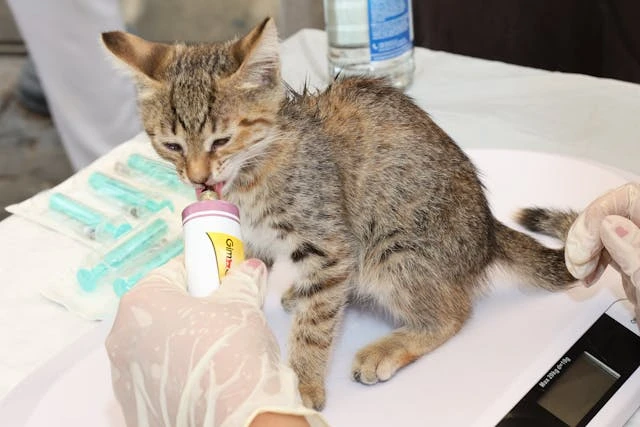
Puppies and kittens need different care than adult pets. Their bodies grow fast. Their minds change fast. A veterinarian in Alexandria, VA understands these fragile early months. You see vaccines, tiny teeth, and house training. Your animal hospital team sees risk, timing, and safety. They set up a clear plan for shots, parasite checks, and feeding. They watch joints, heart, and breathing. They guide you through social skills and gentle handling. They also teach you how to spot pain, illness, and fear before they spread. Every visit during this stage protects your young pet from disease and long-term problems. Early care shapes how your puppy or kitten will feel about people, new places, and other animals. You do not just get checkups. You get a partner who listens, explains, and acts early so your small companion can grow strong.
Also Read: Beyond the Beach: The New Era of Real Estate Properties in Mexico
Why Young Pets Need Special Care
Your puppy or kitten is not a small adult. The immune system is weak. The bones are soft. The brain is still forming habits that last for life. Short gaps in care can cause infection, pain, or fear that lingers.
Animal hospitals plan care around three simple goals. Keep your pet safe from disease. Support steady growth. Shape calm behavior.
First Visits And Health Checks
The first visit often happens soon after you bring your pet home. The team checks weight, heart, lungs, eyes, ears, skin, and belly. They look for birth defects, hernias, or signs of infection. Early tests for worms and other parasites protect your home and family.
You leave that visit with clear next steps. You know when to return. You know what to watch at home. You know when to worry and when to wait.
Vaccine Schedules For Puppies And Kittens
Vaccines protect young pets from diseases that spread fast and can kill. Timing matters. Your animal hospital uses science-based schedules like those from the Centers for Disease Control and Prevention and veterinary schools.
| Age | Puppies | Kittens |
| 6 to 8 weeks | First shots for distemper combo and parvovirus | First shots for panleukopenia and respiratory combo |
| 10 to 12 weeks | Second distemper combo. Possible kennel cough | Second combo. Possible leukemia test and vaccine |
| 14 to 16 weeks | Third combo. Rabies | Third combo. Rabies |
| 1 year | Boosters based on risk and state rules | Boosters based on risk and state rules |
*Your veterinarian may adjust this plan based on health and local disease risk.
Parasite Protection For Home And Pet
Worms, fleas, and ticks can drain a young pet. They can also spread to people. The hospital team tests the stool. They give medicine that kills worms and prevents new ones. They choose safe products for your pet’s age and weight.
They also show you how to clean bedding, litter boxes, and yards. That lowers the chance of new infections. It keeps your home safer for children and older adults.
Nutrition And Growth Checks
Food shapes growth. Too much food or rich treats can strain joints and organs. Too little food can stunt growth. Your veterinarian tracks weight at each visit. They compare it with growth charts from schools like the University of Illinois College of Veterinary Medicine.
You learn three key points. What type of food to use? How much to feed each day? When to switch from puppy or kitten food to adult food.
Spay, Neuter, And Reproductive Health
Animal hospitals guide you through the choice to spay or neuter. They review health benefits like a lower risk of some cancers and infections. They also explain behavior changes, such as less roaming or fighting.
Then they help you choose a safe time for surgery. They review fasting, pain control, and home care. You leave with clear written steps so you do not guess during recovery.
Behavior, Social Skills, and Fear Prevention
Early visits shape how your pet feels about hands, sounds, and new places. The team uses gentle handling and treats. They speak in calm voices. This helps prevent fear of the vet later.
They also teach you how to:
- Introduce your pet to new people and animals
- Use a crate or safe room
- Respond to biting, scratching, or rough play
These small steps cut the risk of future bites, house soiling, and destruction in the home.
Emergency Signs And When To Call
Young pets can fade fast. Your animal hospital explains warning signs that need quick care. These may include:
- No eating for a full day
- Repeated vomiting or watery stool
- Struggling to breathe or blue gums
- Swollen belly or sudden wobble
- Seizures or collapse
You get a direct phone number. You know when to call at once. You know when to schedule the next open visit.
Your Role As A Partner In Care
Specialized care for puppies and kittens is a shared effort. The hospital team brings medical skills. You bring daily attention to the home. Together you watch growth, mood, and habits.
With steady visits, simple home steps, and fast action when something feels wrong, you give your young pet a strong start. That early investment builds a calm, steady companion who can share many years with your family.