How Attic Insulation and Ventilation Work Together for Arlington
Key Takeaways
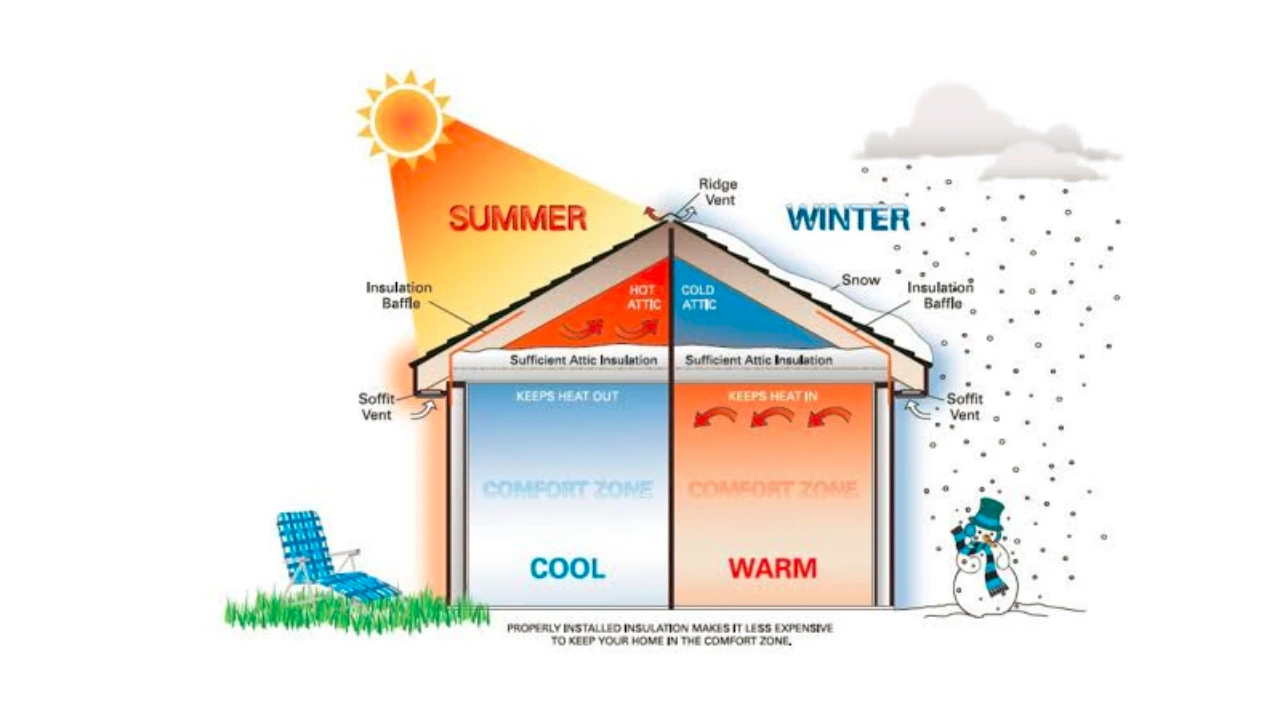
- Insulation slows heat transfer between the attic and the rooms below it.
- Air sealing limits unwanted airflow through gaps in the attic floor.
- Ventilation helps a vented attic manage heat and moisture without cooling the attic with indoor air.
- Baffles protect airflow paths at soffit vents when insulation is added near the roof edges.
- Roof leaks, duct problems, and moisture concerns should be addressed before covering the attic with new insulation.
In Arlington, Texas, attic performance can strongly affect how a home feels during long, sunny summers and changing North Texas weather. A qualified insulation contractor in Arlington TX can assess the entire attic system, but homeowners also benefit from understanding how insulation, air sealing, and ventilation relate to everyday comfort.
Your attic sits between conditioned living areas and a roof exposed to direct heat, wind, rain, and humidity. When the attic floor has gaps, uneven insulation, or blocked vents, upper rooms may feel harder to cool, HVAC equipment may run longer, and moisture can remain where it does not belong. Homeowners can also benefit from learning practical care topics alongside home maintenance, such as How Animal Hospitals Provide Specialized Care For Puppies And Kittens, especially when creating a safe and comfortable home environment for pets.
Why the Attic Matters to Arlington Homes?
Attic conditions often show up downstairs. Thin, shifted, or compressed insulation can allow more heat to move through the ceiling, while gaps around pipes, wiring, light fixtures, and attic hatches can allow air to travel between the house and attic.
For Arlington households, that can mean an upstairs bedroom that remains warm late in the day, rooms with uneven temperatures, or more dust and drafts around ceiling openings. These symptoms do not automatically point to one cause, but the attic is a practical place to start investigating. In Arlington’s hot summers, with temperatures regularly exceeding 95°F, and winter freezes that can occur across North Texas, the attic becomes a critical boundary that directly affects how efficiently your home maintains comfort year-round.
What Attic Insulation Does?
Insulation resists heat flow. It helps reduce the amount of roof and attic heat that reaches indoor rooms in warm weather, while helping indoor warmth stay inside during cooler periods. For Arlington homes dealing with intense summer sun and the temperature swings of North Texas, proper attic insulation becomes essential to preventing the second floor from becoming unbearably hot while simultaneously protecting your investment in air conditioning. For homes with exterior walls that also feel hot or cold, blown-in wall insulation may be considered separately from attic improvements because walls and attics have different access and moisture considerations.
Attic insulation works best as a continuous, evenly distributed layer. Open areas around the attic hatch, plumbing penetrations, duct openings, and wall-top plates can reduce the benefit of even a thick layer of insulation. Before selecting a target level, homeowners can review recommended home insulation R-values and confirm that the project matches the home’s design and applicable requirements.
What Attic Ventilation Does
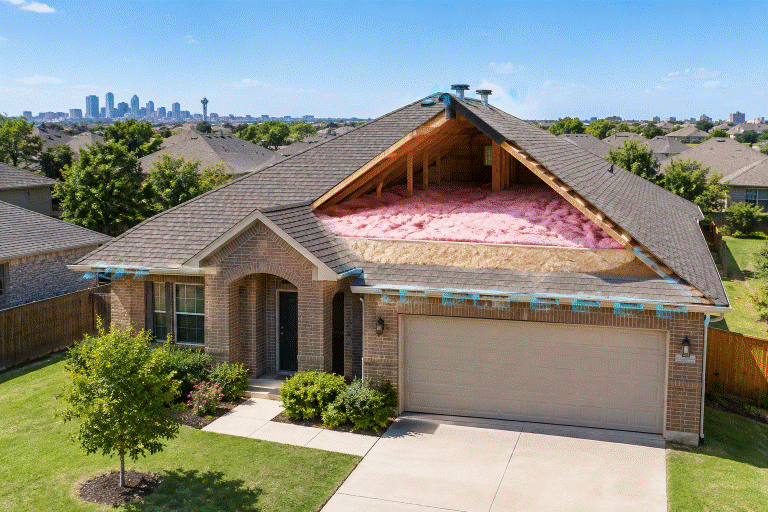
In a conventional vented attic, intake vents near the eaves allow outdoor air to enter, while ridge, gable, or other high-level exhaust vents allow warmer or moist air to leave. Ventilation is not a substitute for insulation. It supports the roof assembly while insulation protects the living space below.
Clear airflow is especially important when adding loose-fill material near soffits. As attic ventilation guidance explains, baffles create a channel above insulation so soffit openings remain clear and outdoor air can move toward upper attic vents.
How Insulation and Ventilation Work Together
A well-performing vented attic separates two jobs rather than asking one system to do everything. Air sealing reduces the movement of conditioned indoor air into the attic. Insulation slows heat transfer across the ceiling plane. Ventilation manages the attic air above that boundary.
- Outdoor air enters through unobstructed intake vents.
- Baffles keep insulation from closing the airflow channel at the eaves.
- Air moves through the attic toward the ridge, gable, or other exhaust vents.
- Insulation in the attic floor helps limit heat movement into the home.
This balance matters because a powered attic fan can create problems if the attic floor is leaky or if intake ventilation is inadequate. Instead of solving the underlying issue, it may pull conditioned air from the house into the attic.
Signs of an Attic Performance Problem
- Upper-floor rooms that are consistently warmer or colder than other rooms.
- Insulation that appears wet, flattened, dirty, or uneven.
- Musty odors, ceiling stains, or visible signs of condensation.
- Bathroom, kitchen, or dryer ducts that discharge into the attic.
- Blocked soffit vents or insulation packed tightly against the roof edge.
- Loose, damaged, or disconnected ducts in an unconditioned attic.
A Practical Attic Inspection Checklist
- Check the attic hatch for weatherstripping, insulation, and visible gaps.
- Look across the attic floor for bare spots and inconsistent insulation depth.
- Locate soffit vents and verify that insulation has not covered them.
- Check for baffles near the eaves where vented roof sections meet the attic floor.
- Inspect duct connections and insulation without stepping on or compressing ducts.
- Look for roof leaks, rusted fasteners, wet framing, stains, or animal activity.
- Take photos before any work begins so conditions can be compared afterward.
Common Insulation Options
Fiberglass Batts and Rolls
Batts and rolls can work well in accessible areas with regular framing. Their performance depends on careful fitting, full coverage, and the avoidance of compression or gaps.
Blown-In Fiberglass or Cellulose
Loose-fill insulation can cover irregular attic floors and work around framing, wires, and other obstacles. Even depth, proper air sealing, and protected vent channels remain important.
Spray Foam
Spray foam may be used as part of an unvented attic design at the roofline. Because this approach changes the roof assembly, it requires careful attention to moisture control, roof condition, access, and fire-safety details.
Vented Versus Unvented Attics
A vented attic generally places insulation at the attic floor while outdoor air moves through the roof space. An unvented attic brings the roofline into the thermal boundary and typically uses insulation and air sealing directly under the roof deck. Neither approach is automatically right for every Arlington home. Roof geometry, duct location, existing conditions, and project goals all matter.
Common Mistakes to Avoid
- Adding insulation over wet, moldy, or animal-contaminated materials.
- Covering soffit vents with insulation.
- Skipping air sealing before adding new material.
- Ignoring roof leaks or poorly vented bathroom exhaust ducts.
- Assuming insulation will correct leaking or disconnected ductwork.
- Placing insulation against fixtures or flues without confirming the required clearances.
When Professional Help Makes Sense
Professional assessment is especially useful when an attic has moisture damage, difficult access, old wiring, fuel-burning equipment, extensive ductwork, or uncertain ventilation paths. Ask for a clear scope that identifies air sealing, insulation type, ventilation protection, moisture concerns, and before-and-after documentation.
Final Thoughts
Comfort in an Arlington home depends on more than just adding insulation. Air sealing limits uncontrolled airflow, insulation slows heat movement, and properly maintained ventilation supports the attic environment. Viewing those elements as a single connected system can help homeowners address the root cause of discomfort rather than spending money on the wrong fix.