How to Maintain Your Pool After Vinyl Pool Installation
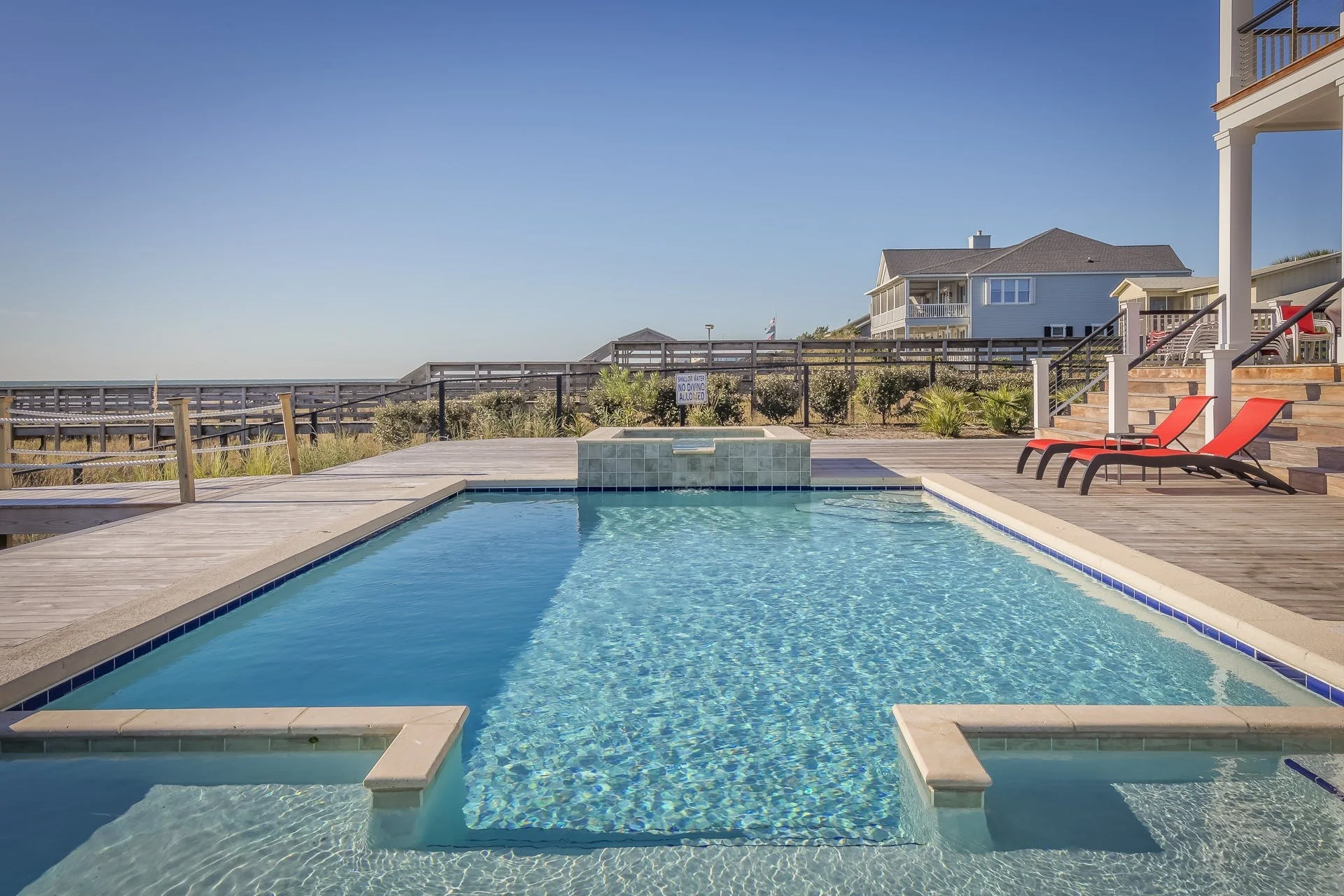
There’s a specific kind of excitement that hits when your backyard finally stops being a construction zone and starts looking like the getaway you pictured months ago. The water goes in, the sun hits it just right, and suddenly all those weeks of permits and planning feel worth it. Here’s the part nobody really warns you about though.
Also Read: Best Pool Builders in Ellicott City, MD
Once the crew leaves, your job is really just starting. A lot of homeowners assume that a smooth vinyl pool installation is the finish line, when honestly, it’s closer to the starting gun. What you do in the months and years afterward is what decides whether that pool still looks incredible five summers from now, or whether it becomes the thing you quietly dread dealing with every June.
Vinyl pools are everywhere across Ontario backyards these days, and it’s not hard to see why. They cost less than fiberglass in most cases, you can shape them into pretty much anything you want, and that liner has a soft, almost cushioned feel under your feet that a lot of people genuinely prefer. But that same liner is also the most fragile part of the whole build. Sun exposure, sharp objects, off balance water, all of it chips away at vinyl in ways it just doesn’t for concrete or fiberglass. So yes, a real maintenance routine matters here. It’s not a nice to have.
Why Vinyl Behaves Differently Than Other Pool Types
It helps to actually understand what’s going on beneath the surface before jumping into a checklist. The liner is basically one continuous, watertight sheet sitting against your pool’s frame, whether that frame is steel, polymer, or concrete underneath. Because it’s one piece, a small chemical imbalance or a dragged pool toy can do damage that’s a lot more annoying to fix than, say, a scuff on a fiberglass shell would be. Small problems don’t stay small for long with vinyl. They tend to spread.
Any decent vinyl pool builder will tell you this straight up during your final walkthrough, because catching issues early is always cheaper than fixing them late. Most established GTA builders, the ones who’ve been doing this since the early 2000s, will balance your water before they even hand you the keys to your equipment shed. That’s a solid starting point. But from there, it’s really on you. The habits you build in those first few months set the tone for how the liner holds up over the next decade.
Getting Water Chemistry Right (and Keeping It There)
If there’s one thing that matters more than anything else for liner life, it’s water chemistry. Chlorine that runs too hot bleaches and weakens vinyl over time. pH that dips too low makes it brittle and prone to wrinkling. And water that just sits there neglected, low on sanitizer, invites algae, which stains liners in a way that’s genuinely hard to reverse once it sets in. Testing two or three times a week during swim season isn’t overkill, it’s just what vinyl needs. A decent test kit pays for itself the first time it saves you from a green pool situation.
Try to keep pH somewhere between 7.2 and 7.6, alkalinity around 80 to 120 ppm, and chlorine wherever your specific system recommends. Don’t skip calcium hardness either. Water that’s too soft pulls minerals out of your fixtures and hardware, while water that’s too hard leaves that chalky scale line right at the waterline. Honestly, jotting readings down somewhere, even just a note on your phone, makes patterns easier to spot before they turn into a bigger headache.
Keeping the Liner Safe From Everyday Damage
Chemistry is half the battle. Physical wear and tear is the other half, and it sneaks up on people. Sharp toys, metal furniture feet, dog nails, even certain robotic cleaners with worn out brush edges can nick or tear a liner without much warning. A quick visual check every couple of weeks, walking your eyes along seams and corners where stress tends to gather first, catches most problems while they’re still small. A tiny pinhole leak patched early takes ten minutes. Ignored, it can push water behind the liner and cause much bigger structural headaches.
Sunlight is the quiet one nobody thinks about. It fades color and slowly stiffens the material over years of exposure. A pool cover in the off season, and maybe a solar cover during the peak of summer, slows all of that down while also cutting evaporation and chemical loss. And keep your water level steady, roughly at the middle of the skimmer opening. Too low and the liner stretches unevenly, or your pump starts running dry, which nobody wants to deal with mid August.
Seasonal Habits That Actually Protect Your Investment
Ontario winters don’t mess around, and closing your pool properly in the fall matters just as much as opening it right in spring. A rushed closing is honestly one of the most common reasons people find wrinkles, stretching, or unexpected leaks come April. Draining to the right level, adding your winterizing chemicals, and using a cover that actually fits well will carry your liner through the freeze thaw cycle without any surprises.
Come spring, don’t rush it. Refill slowly, clear out debris gently, rebalance the water, and only then run your filtration at full strength. Giving the liner time to settle back into place matters more than people realize. It’s also worth having a professional take a look every year or two, even if everything seems fine on the surface. Small issues with seams, plumbing, or wall panels are a lot easier to catch early than after they’ve turned into something expensive.
Wrapping It Up
At the end of the day, owning a vinyl pool is genuinely one of the better decisions a homeowner can make for their backyard. It’s just not a set it and forget it kind of thing. The upkeep is honestly pretty manageable once it becomes routine. Regular testing, a bit of physical care, proper closing and opening each season, and the occasional professional check will keep your liner looking and performing the way it did on day one. Put in that effort, and there’s no reason your pool can’t be the best part of your summer for many years to come.