Hybrid Solar Inverter: What Engineers Need to Know
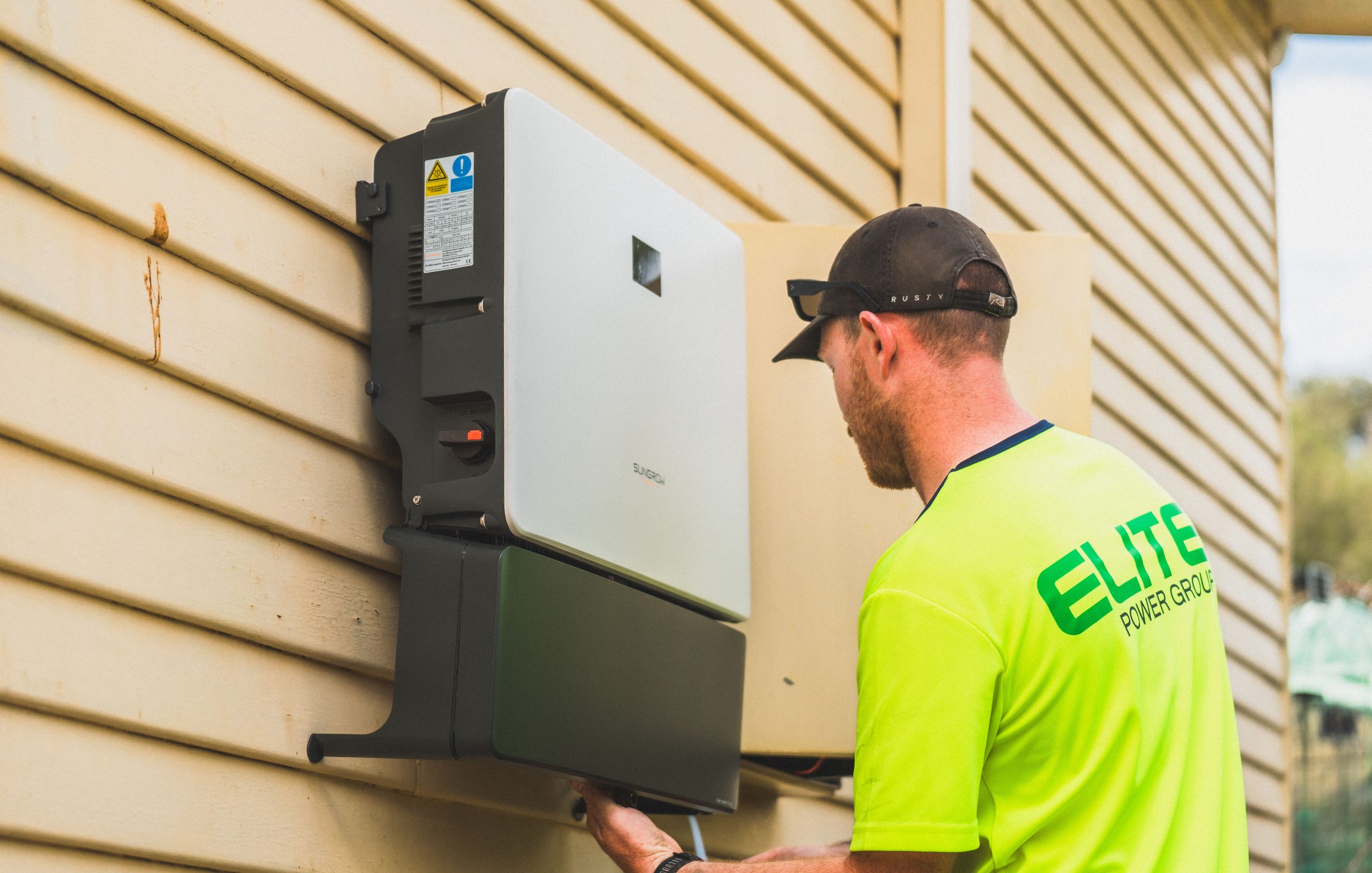
A rooftop project that includes both solar generation and a battery needs an inverter architecture that can manage more than one energy flow. A hybrid solar inverter connects PV, storage, household loads, and the grid within a coordinated system design. Equipment selection is only one decision in a wider infrastructure project. Good procurement balances present requirements with realistic future demand, without paying for capacity that has no defined use. The central design task is to connect the selected equipment with a clear site requirement.

System context for planning and operating 家庭绿电 solutions.
Compare the project over its operating life
The purchase price is only one part of the financial picture. Generation assumptions, self-consumption, electricity tariffs, maintenance, battery replacement timing, warranties, and the cost of any electrical upgrades all influence long-term value. A transparent proposal should state its assumptions and show how the result changes if energy use, tariffs, or generation differ from the initial estimate.
Understand the inverter’s place in the system
Solar modules produce direct current, while household circuits and the utility network generally use alternating current. The inverter manages this conversion and may also provide functions for maximum power point tracking, grid interaction, system protection, and performance monitoring. Its capacity and configuration should be matched to the array, expected operating conditions, and any planned battery connection. For a closer look at the solution scope, review hybrid solar inverter and consider how its documented functions fit the site layout, electrical interfaces, and operating plan.
Treat backup expectations as a separate design question
A solar-plus-storage installation does not automatically provide backup to every circuit during a grid outage. The design needs to identify which loads are essential, how they are separated, and what the inverter and battery can support under the applicable operating mode. Clear expectations before installation help avoid confusion when the household first uses backup power.
Coordinate solar, storage, and household controls
When generation, storage, and household loads are managed as one system, the timing of energy use can become more flexible. For example, controllable appliances may be scheduled when solar production is available, while the battery can be reserved for a later period or backup requirement. The control strategy should remain simple enough for occupants to understand and override when necessary. Performance should always be assessed against the actual installation conditions and the complete system boundary.
Begin with the household load profile
A useful residential design starts with a record of how electricity is used throughout the day. Evening cooking, air conditioning, water heating, and vehicle charging can create very different demand patterns from a home that is empty during working hours. Reviewing seasonal bills and major appliances helps the installer estimate how much generation can be used directly and whether storage is likely to add practical value. A project specification for hybrid solar inverter should identify the applicable configuration, installation limits, commissioning checks, and service responsibilities.
Document interfaces between equipment
Many operational problems occur where two systems meet: electrical connections, communication protocols, control signals, cooling circuits, or service responsibilities. An interface register should identify the owner of each connection and the test that proves it works. Clear documentation reduces uncertainty during installation and future upgrades.