5 Benefits Of Annual Wellness Exams For Dogs And Cats
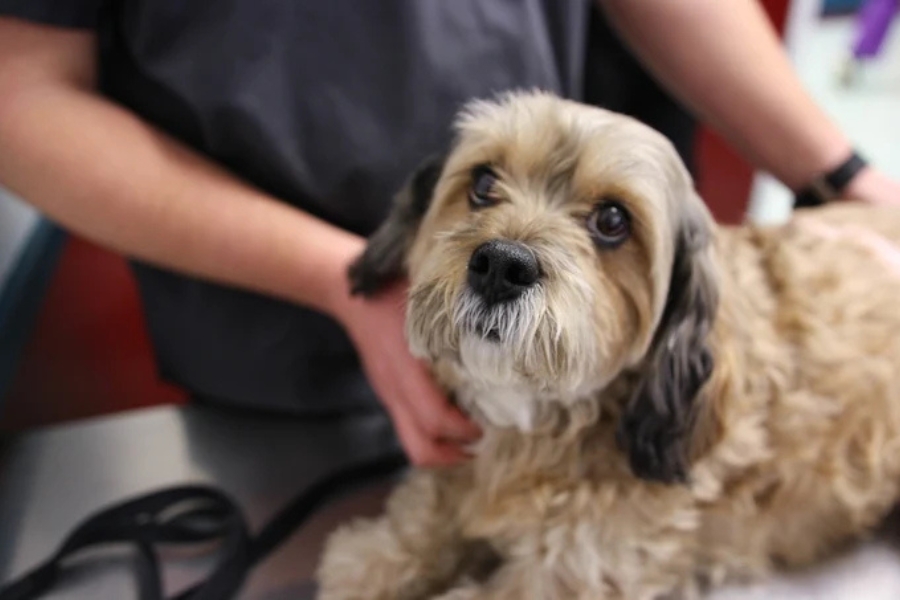
You might be looking at your dog or cat right now and wondering if you are doing enough. Maybe the reminder card from the vet at an Austin animal hospital has been sitting on your fridge for months, or you had every intention of booking that yearly checkup, then life got busy and it slipped. You love your pet, you watch them every day, so it is natural to ask yourself, “Do we really need a full exam every year if they seem fine?”end
That quiet nagging feeling is common. You want to protect your pet, but you also worry about the cost, the stress of the visit, or what might be found. Because of that tension, many people put off routine care until something is obviously wrong. The hard part is that by the time a problem is clear on the outside, it has often been building on the inside for a long time.
Here is the short version of what follows. Annual wellness exams for dogs and cats are not just a formality. They are one of the simplest ways to catch hidden illness early, prevent painful problems, manage costs over time, and add healthy years to your pet’s life. A good general veterinarian uses these visits to listen to you, examine your pet from nose to tail, review vaccines and parasite prevention, check weight and behavior, and create a plan that fits your home and budget.
So where does that leave you if you are still unsure about booking that appointment?
Why do healthy dogs and cats need yearly checkups at all?
It can feel confusing. You see your pet every day. You would notice if something was wrong, right? Often you would, but not always. Many common conditions in dogs and cats start quietly. Weight creeps up pound by pound. Dental disease hides under the gumline. Early kidney issues may not change thirst or appetite yet. By the time signs are obvious, treatment can be harder and more expensive.
Think about a middle aged cat who “just seems a little quieter” and has lost a bit of weight. It is easy to chalk that up to getting older. During a wellness exam, a veterinarian might feel a slightly enlarged thyroid or hear a subtle heart change. Bloodwork could show hyperthyroidism long before a crisis. With early treatment, that cat can feel comfortable and active again instead of sliding into heart and kidney damage.
The same is true for dogs. A dog who pants a bit more on walks could simply be out of shape. Or they could be developing heart disease. A routine exam might pick up a new heart murmur or changes in lung sounds long before your dog collapses on a hike.
Because these problems hide, a yearly visit gives your veterinarian a chance to compare “today” with last year and notice small shifts that you cannot see in day to day life.
What are the real benefits of yearly pet wellness visits?
Once you understand what is at stake, the benefits of a yearly or regular wellness exam become clearer. You may find it helpful to think about at least five key advantages that tend to matter most to pet owners.
1. Early detection of hidden disease
A thorough physical exam, combined with lab work when needed, can uncover issues like kidney disease, diabetes, thyroid problems, arthritis, heart disease, or early cancer before they cause obvious suffering. Early treatment often means better outcomes and more options. It can also mean gentler medications instead of emergency interventions.
2. Stronger prevention and protection
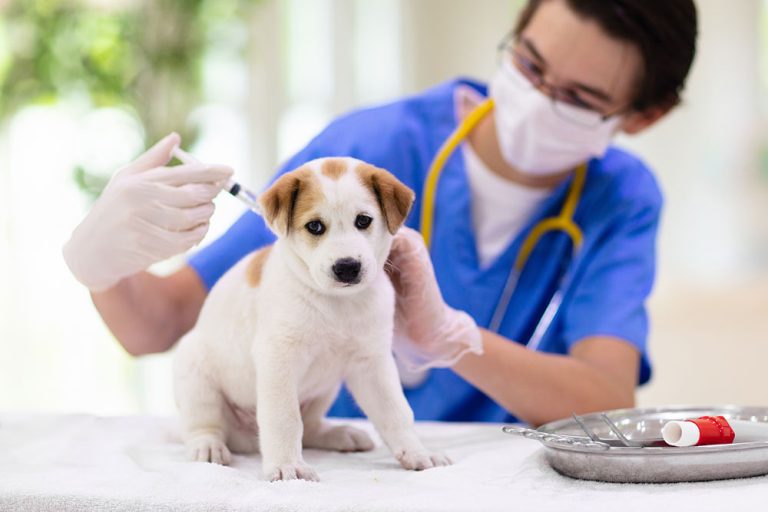
Vaccines, parasite prevention, and routine screening protect your dog or cat from diseases that are still very real, even if you never see them personally. Heartworm, tick-borne disease, parvo, panleukopenia, and rabies are not rare in many areas. During a wellness visit, your veterinarian can tailor vaccine schedules and parasite control to your pet’s lifestyle. The American Veterinary Medical Association offers helpful overviews of >general dog care and prevention if you want more background.
3. Better weight and nutrition management
Extra weight sneaks up. A few treats here and there, less exercise during a busy season, and suddenly your pet is heavier than you realized. Obesity increases the risk of arthritis, diabetes, breathing issues, and a shorter life span. During an annual visit, your veterinarian will check your pet’s body condition score, talk about diet, and suggest realistic changes. These small adjustments now can prevent big problems later.
4. Support for behavior and quality of life
You might notice your dog is more anxious during storms, or your cat is peeing outside the litter box, and feel embarrassed or frustrated. Wellness exams are a safe place to bring up these concerns. Many behavior changes have medical causes. Even when they are not medical, your veterinarian can guide you on training, environment changes, or when to involve a trainer or behavior specialist.
5. Long term savings and planning
It can feel backwards to think that more visits could save money, yet that is often how it works. Preventive care and early treatment usually cost less than emergency visits and advanced disease management. Regular wellness visits also give you a chance to talk about long-term plans, such as dental cleanings, spaying or neutering if not yet done, senior screening, or travel needs. The AVMA’s guidance on preventive health care for dogs and cats explains how this approach can protect both health and finances over time.
So if the benefits are clear, what holds people back?
What gets in the way of scheduling a yearly pet exam?
There are some very human reasons that wellness care gets delayed. Money is tight. Work is busy. Some pets hate the carrier or the car. Sometimes you worry that an exam will uncover something you are not ready to face. All of this makes sense, and you are not alone in feeling it.
The problem is that waiting rarely makes things easier. An anxious cat is usually more stressed during a crisis visit than during a calm checkup. A hidden illness does not disappear because we are not looking for it. Financially, a planned wellness visit is easier to budget for than a sudden emergency bill.
A good general veterinarian understands these concerns. They can suggest ways to make visits less stressful, talk honestly about costs, and prioritize what your pet needs most right now. The goal is not perfection. The goal is steady, realistic care that fits your life.
How do the risks and rewards of yearly exams compare?
Sometimes seeing the tradeoffs clearly can help you decide your next step. Here is a simple comparison of skipping routine care versus scheduling an annual wellness visit with a general veterinary checkup.
| Aspect | No Annual Wellness Exam | Annual Wellness Exam |
| Detection of disease | Often found late, when symptoms are obvious, and disease may be advanced | Higher chance of catching problems early, before major damage occurs |
| Costs over time | Lower short-term spending, higher risk of sudden large bills | Predictable routine costs, often lower total cost over your pet’s life |
| Pet comfort | Greater risk of untreated pain or silent suffering | More chances to adjust care and keep your pet comfortable |
| Prevention | Vaccines and parasite control may lapse or be outdated | Vaccines, parasite prevention, and screenings stay up to date |
| Owner peace of mind | Ongoing worry about “what if something is wrong” | Reassurance from a professional check and a clear plan |
Seeing these side by side, you can start to decide what feels right for you and your pet in this season of life.
What can you do right now to protect your pet’s health?
You do not need to fix everything at once. A few focused steps can make a real difference.
1. Schedule the next wellness exam and prepare a simple question list
Pick up the phone or go online and book an appointment for your dog or cat with a trusted general veterinarian. Before you go, jot down three things that have caught your attention. Changes in thirst or appetite, weight, behavior, mobility, or bathroom habits are all useful clues. Bring photos of food labels and any supplements. This helps your veterinarian give specific, practical advice.
2. Review vaccines and parasite prevention at home
Gather any records you have. Look at when vaccines and heartworm, flea, or tick prevention were last given. If you are unsure, that is fine. Bring what you have to the visit. Your veterinarian can fill in the gaps and create a schedule. If money is a concern, say so openly. Together you can prioritize the most important protection first.
3. Watch for small changes, not just big emergencies
Over the next few weeks, quietly observe your pet. Notice how quickly they get up, how much they drink, whether they are playing as much as they used to, or if their breath has changed. These small details are often the early signs that matter most. Share them during your wellness visit. It turns a routine check into a targeted health assessment tailored to your pet.
Moving forward with confidence and care
You care about your dog or cat. That is clear from the fact that you are even thinking about yearly pet wellness exams. Feeling unsure or overwhelmed does not mean you are failing them. It simply means you are human, and you want to make wise choices with the information and resources you have.
An annual visit with a general veterinarian is not about being perfect or doing every possible test. It is about giving your pet a regular chance to be heard through a trained set of eyes and hands, and giving yourself the relief of a plan instead of guesswork.
Your next step can be small. Call your local clinic, look at your calendar, and choose a date. One steady choice at a time is often how pets get the long, comfortable lives we hope for them.