How Veterinary Hospitals Support Senior Pet Health
You might be noticing little changes in your older pet that leave you uneasy. Your dog still wags their tail but tires halfway through a walk. Your cat still greets you, yet seems to sleep deeper and jump a little less. Nothing is obviously “wrong,” but something feels different, and that feeling can sit heavy on your chest—especially if you’re not sure when to call an Oakville veterinarian.
There is a before and after with aging pets. Before, you worried about chewed shoes or scratched furniture. Now you find yourself watching how they get up from their bed, counting how much they drink, or wondering if that new lump has always been there. You may feel torn between not wanting to overreact and being afraid of missing something serious.
This is exactly where a veterinary hospital for senior pets can become your partner. With the right support, older dogs and cats can stay comfortable and engaged for many more good years. Regular checkups, targeted tests, and thoughtful care plans give you clearer answers and fewer late night “what if” spirals.
So where does that leave you right now. In simple terms, veterinary hospitals help by catching problems earlier, easing pain, adjusting diets and routines, and guiding you through the emotional side of caring for an aging animal. You do not have to guess alone.
Why does aging change your pet so much, and why is it so stressful for you
One of the hardest parts is that aging sneaks up. It might start with a missed jump to the couch, a bit of stiffness in the morning, or a water bowl that seems to empty faster. You tell yourself it is “just age,” yet that phrase can feel like a shrug when what you really want is a plan.
The problem is that many age related diseases look like normal slowing down at first. Arthritis can look like “being lazy.” Kidney disease can look like “drinking more on hot days.” Dental pain can look like “picky eating.” Without medical support, it is easy to dismiss early signs until they become crises.
Because of this, you might feel stuck. If you wait, you risk missing a window where treatment is easier and cheaper. If you rush to the veterinary hospital every time something changes, you worry about money, time, and putting your pet through stressful visits. This push and pull makes it hard to know what is “enough.”
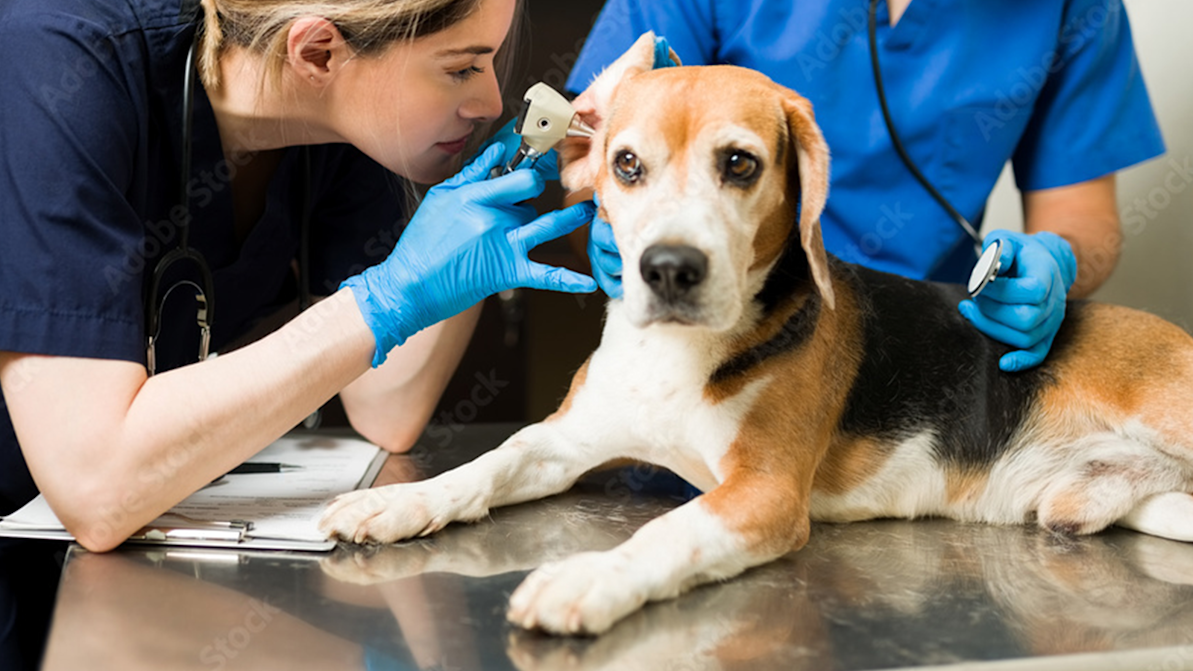
Veterinary hospitals recognize this tension. Many now build special approaches for senior animals. For example, a hospital might offer a “senior wellness” visit that includes a longer appointment, gentle handling, and focused time to talk about behavior, mobility, appetite, and your worries. Blood and urine tests can pick up early kidney or liver changes. Joint exams can spot arthritis before your pet is in constant pain. Eye and heart checks can reveal issues long before they are obvious at home.
Imagine an older dog who starts slipping on the floor and hesitating at the stairs. Without guidance, you might just shorten walks and assume this is old age. At a veterinary hospital, a vet might find arthritis plus early muscle loss. With pain control, joint supplements, and a simple home exercise plan, that same dog could move more confidently and enjoy walks again. The problem did not vanish, but it became manageable.
The same goes for older cats. A cat who cries at night, loses weight, and acts restless might be labeled “senile” at home. At a veterinary visit, this pattern could point to thyroid disease, which is often very treatable. Resources like the AVMA’s guidance on caring for your older cat show how much can be done when these changes are recognized and addressed.
What specific support can a veterinary hospital offer your senior pet
Support for senior pet wellness care is not just one thing. It is a set of services that work together. This might include more frequent checkups, pain control plans, dental care, weight management, and behavior support. Each piece helps your pet stay comfortable and helps you feel more confident in your decisions.
For instance, many hospitals use “senior panels” of lab tests once or twice a year for older pets. These tests can uncover early kidney disease, diabetes, or thyroid problems, often before your pet looks sick. Adjusting diet or medication at that stage can slow disease and improve quality of life. For dogs, information like the AVMA’s guide to caring for your older dog can help you understand what your vet is checking for and why.
Emotional support matters too. It can be overwhelming to hear new diagnoses, weigh treatment options, and wonder what your pet would choose if they could speak. A good veterinary team will slow down, translate medical terms into plain language, and help you balance quality of life, cost, and your own capacity. You should never feel pressured into a plan that does not feel right for you and your animal.
How do home care and veterinary hospital care compare for senior pets
You might be wondering how much you can handle yourself and when a veterinary hospital is truly needed. The answer is usually a mix of both. You provide daily care and close observation. The hospital provides medical insight, tools, and treatments you cannot safely do at home.
| Care Aspect | Home Care Only | With Veterinary Hospital Support |
| Monitoring changes | You notice behavior, appetite, and mobility shifts, but may not know what matters most. | You track changes at home, then review them with a vet who can link patterns to specific health issues. |
| Pain management | Limited to comfort measures like soft bedding and shorter walks. Risk of unsafe human medications. | Safe pain medications, joint injections, and tailored exercise plans reduce suffering and support movement. |
| Disease detection | Often noticed only when signs are obvious, such as weight loss or accidents in the house. | Regular exams and lab tests catch many diseases earlier, when they are easier and cheaper to manage. |
| Nutrition and weight | Food changes based on guesswork or labels. Harder to judge if weight shifts are safe or risky. | Specific senior diets or prescription foods chosen to support kidneys, joints, or digestion with routine weight checks. |
| End of life decisions | Emotional burden falls mostly on you, which can lead to guilt or second guessing. | Guided quality of life discussions, clear criteria, and compassionate support through tough choices. |
Seen this way, a veterinary hospital is not replacing your care. It is strengthening it. You remain the person who knows your pet best. The medical team brings tools and insight so your love translates into the right actions at the right time.
What can you do right now to support your older pet
1. Schedule a focused senior wellness visit
If your pet is around seven years or older, book a checkup and say clearly that you want a senior evaluation. Bring a short list of changes you have noticed, even if they seem small. Mention things like increased thirst, changes in sleep, stiffness, weight changes, or new behaviors. Ask about screening tests that are appropriate for your pet’s age and breed. This one step often becomes the foundation of a long term plan.
2. Start a simple home observation routine
Create a small notebook or digital note to track your pet once or twice a week. Record appetite, water intake, energy level, mobility, and any accidents or odd behaviors. Use the same few categories each time. Over a month or two, patterns will appear. Bring this record to the veterinary hospital. It gives your vet a clearer picture than a quick memory at the clinic, and it helps you feel more in control.
3. Ask your veterinary team about comfort and quality of life
Do not wait until things feel unbearable to talk about comfort. Ask your vet what signs would tell you that your pet is in pain, anxious, or declining, and what options exist to improve that. This might include pain medication, environmental changes at home, joint support, or behavior strategies. As your pet ages further, the same honest talks can guide you through hospice style care and, when necessary, gentle euthanasia. It is not about giving up. It is about honoring the bond you share.
Moving forward with confidence and care
Caring for an aging animal is both a gift and a weight. You are carrying years of shared history, and you want to protect your pet without making them live in a vet office. A trusted veterinary hospital gives you a middle path. You gain early answers instead of late emergencies, comfort instead of silent struggle, and guidance instead of guesswork.
You do not need to have everything figured out before you reach out. Start with one senior wellness appointment. Bring your questions, your worries, and your observations. From there, you and your veterinary team can shape a plan that honors your pet’s age, personality, and place in your life, so the years ahead can be as peaceful and connected as possible.