5 Benefits Of Annual Wellness Exams For Dogs And Cats
You might be feeling a little tug of guilt every time you notice your dog slowing down on walks or your cat drinking more water than usual. At the same time, there is that quiet worry in the back of your mind. What if you are missing something important? What if there is a problem building that you cannot see yet. That tension between wanting to do the best for your pet and trying to juggle everything else is very real.
Also Read: Why Outsourcing To An Accounting Firm Improves Efficiency
You tell yourself you will make that vet appointment soon, maybe even look into vet wellness plans in Maple Valley, then life happens, money is tight, and your pet seems “fine enough,” so another year slips by without a checkup.end
Annual wellness exams are not about being a “perfect” pet parent. They are about catching small problems before they become big ones, keeping your pet comfortable for as many years as possible, and giving you clear answers instead of guesswork. In simple terms, a yearly visit to a general veterinarian can help detect silent disease, keep vaccines and parasite protection on track, fine tune nutrition, monitor behavior and mobility, and save you money and heartache over time.
So where does that leave you if you are unsure whether those yearly visits are worth it. It helps to understand what you are actually getting from annual wellness exams for dogs and cats and why they matter more than they may seem at first glance.
Why do pets need yearly exams if they “look fine” at home?
The hard part is that dogs and cats are very good at hiding discomfort. By the time a problem is obvious at home, it can be far along. That is the core problem. You only see what your pet allows you to see.
Imagine a middle aged indoor cat who starts losing a little weight. The fur still looks good. The cat still plays sometimes. It is easy to chalk it up to getting older. At a wellness exam, a veterinarian might notice a faster heart rate, a small heart murmur, or enlarged thyroid glands. Blood work could reveal early hyperthyroidism. Treated early, that cat can have many comfortable years. Found late, the same condition can damage the heart and kidneys and be much harder and more expensive to manage.
The same pattern shows up again and again. A dog that drinks more water and goes out to pee more often. A cat whose litter box clumps are slightly bigger. A pet who seems just a bit stiff getting up. All easy to dismiss in the rush of daily life, and all common signs of early disease when a veterinarian looks more closely.
Because of this, the American Animal Hospital Association created clear preventive healthcare guidelines for dogs and cats. These guidelines recommend regular wellness exams as the foundation of good care, not a luxury or an “extra.”
So what actually happens during these visits that makes them so important.
What problems can an annual wellness exam uncover early?
Think of a wellness visit as a quiet, thorough check of everything your pet cannot tell you in words.
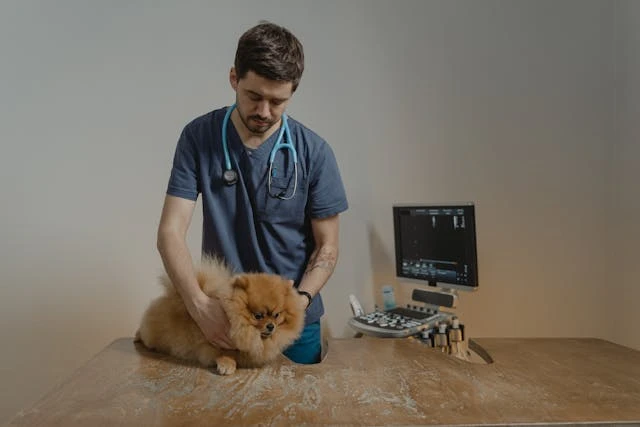
A general veterinarian will usually:
- Listen to the heart and lungs to catch murmurs, rhythm changes, or early respiratory issues.
- Check eyes, ears, teeth, and gums for infections, pain, or early dental disease.
- Feel lymph nodes, abdomen, and joints for lumps, swelling, or tenderness.
- Review weight, body condition, and muscle mass to spot trends over time.
- Ask about appetite, thirst, bathroom habits, activity level, and behavior changes.
From there, they may recommend blood work, urine tests, or imaging based on age and findings. This is where early kidney disease, liver problems, diabetes, thyroid issues, and many other conditions can be found before your pet seems sick at home.
The emotional challenge is that you might feel like you are borrowing trouble. It can feel scary to go looking for problems. Yet the alternative is finding those same issues only when your pet is in crisis, possibly in an emergency clinic at night, with fewer options and much higher costs.
So what are the concrete benefits of making these exams routine.
5 key benefits of yearly checkups for your dog or cat
When you step back, the benefits of a yearly or sometimes more frequent pet wellness visit fall into a few clear categories.
1. Early disease detection and better treatment options
Catching conditions early usually means more choices, gentler treatments, and a better chance of a long and comfortable life. Kidney disease in cats, heart disease in small dogs, arthritis in large breeds, and many cancers can show subtle signs long before a pet stops eating or acting “off.”
With regular exams and baseline lab work, your veterinarian can notice slight changes from year to year and act sooner. That can mean starting joint support before a dog is limping, or adjusting a cat’s diet before kidney values climb too high.
2. Vaccines and parasite protection stay on track
Even mostly indoor pets are not protected from everything. Fleas can hitch a ride inside. Mosquitoes can transmit heartworm. Viruses can live on shoes and clothing. At a wellness visit, your veterinarian reviews which vaccines are still needed, which can be spaced out, and which might no longer be necessary based on age and lifestyle.
They also check for fleas, ticks, intestinal parasites, and heartworm and make sure your pet is on the right preventives. This prevents many painful and sometimes deadly diseases with simple, planned protection.
3. Tailored nutrition and weight management
Weight is one of the most powerful, and most overlooked, tools for protecting your pet’s health. Even a few extra pounds can strain joints, worsen breathing issues, and shorten lifespan. On the other side, unexplained weight loss can be an early red flag.
During a wellness exam, your veterinarian assigns a body condition score and helps you understand if your pet is truly at a healthy weight. They can guide you on food type, portion size, and treats, using evidence based advice. The AAHA nutritional assessment guidelines explain how powerful this can be for helping pets live longer, healthier lives.
4. Behavior, anxiety, and quality of life support
Many behavior issues are actually medical issues in disguise. A cat who stops using the litter box may have pain or stress. A dog who growls when touched may have arthritis. Wellness exams create space to talk about these changes honestly.
Your veterinarian can help sort out what is behavioral and what might be physical, and can offer training resources, anxiety support, or pain management. This improves daily life for both you and your pet.
5. Long term cost savings and less emergency stress
It may feel like skipping yearly exams saves money. Often the opposite is true. Preventing disease, or treating it early, almost always costs less than emergency care or advanced late stage treatment.
Think of regular general veterinarian visits as maintenance, similar to changing the oil in a car. It is much cheaper than replacing an engine. The same idea applies to your pet’s health.
How do the risks and benefits of annual exams compare?
You might still be weighing the time and cost of yearly visits against the chance that nothing is wrong. It can help to see the tradeoffs clearly.
| Choice | Short term impact | Long term health effect | Typical cost pattern |
| Schedule annual wellness exams | Some time off work and a planned expense once or twice a year | Higher chance of early detection, better quality of life, fewer surprises | More predictable costs, fewer sudden large emergency bills |
| Skip or delay routine exams | No immediate appointment cost or time commitment | Higher risk of late stage disease, more pain or discomfort for your pet | Lower routine costs, but greater risk of expensive emergency or advanced care |
Once you see it in these terms, the yearly exam becomes less about one visit and more about shaping the kind of health journey you want for your dog or cat.
What can you do right now to protect your pet’s health?
Knowing all of this is helpful, but it only eases worry if you have clear next steps. You do not have to overhaul everything at once. A few focused actions can make a real difference.
1. Book the next exam and bring a simple health journal
Call your general veterinarian and schedule a wellness visit, even if your pet seems fine. On a piece of paper or in your phone, jot down:
- Any changes in appetite, thirst, or weight.
- Bathroom habits, including litter box changes or accidents.
- Energy level and ability to jump, climb, or go for walks.
- New behaviors, fears, or aggression.
Bring this with you. It will help your veterinarian see patterns you may not notice day to day.
2. Ask directly about weight, pain, and future risks
During the exam, ask three clear questions.
- Is my pet at a healthy weight for their age and breed.
- Do you see any signs of pain or early arthritis.
- Based on age and breed, what conditions should we watch for in the next few years.
These questions open a focused conversation about prevention, joint support, diet, and screening tests. You walk away with a clearer plan, not vague worry.
3. Set a reminder for the next wellness visit
Before you leave the clinic, or as soon as you get home, put a reminder in your phone for the next annual visit. Some pets, especially seniors, benefit from exams every 6 months. Agree on a schedule with your veterinarian and treat it like you would a child’s checkup or your own dental cleaning.
This small habit turns wellness care for cats and dogs into a routine part of life instead of something you have to remember and debate every year.
Bringing it all together for you and your pet
You care deeply about your dog or cat. That is why you are reading about this in the first place. It is normal to worry about cost, to feel unsure if you are “overreacting,” and to wonder whether those yearly exams actually matter.
They do. They create a safety net around your pet’s health, they give you early warning instead of sudden crisis, and they turn guesswork into a plan you can follow with confidence. A trusted general veterinarian is not just there when your pet is sick. They are there to keep your pet well for as long as possible.
The next step is simple. Pick up the phone, schedule that annual wellness exam, and bring your questions. You are not behind. You are taking care of someone who depends on you, one thoughtful decision at a time.