5 Advantages Of Maintaining Regular Veterinary Appointments
You might be looking at your pet right now, wondering if you are doing enough. Maybe you notice they are slowing down a bit, drinking more water than usual, or scratching more than they used to, and a small voice in your head keeps saying, “Should I book a vet visit with a Westwood veterinarian, or am I overreacting?” It is a stressful place to be, because you care deeply, yet you also worry about the cost, the time, and the fear your pet might feel in the clinic.
On good days, your pet seems fine, so the idea of another checkup can feel unnecessary. On tougher days, when something seems off, you might feel guilty for not having gone in sooner. Because of this tension, you might wonder if regular veterinary checkups are really worth it, or if you can just wait until something is clearly wrong.
Here is the simple truth. Keeping up with regular veterinary visits protects your pet’s health, often saves you money in the long run, and gives you peace of mind that you are not missing something important. Routine wellness exams, vaccines, and screenings help catch problems early, manage changes with age, and support a safer home for your whole family.
So where does that leave you right now? It means you do not have to rely on guesswork. With a steady relationship with a trusted general veterinarian, you can share the responsibility, ask the hard questions, and make thoughtful decisions instead of rushed ones.
Read More: How Animal Hospitals Provide Specialized Care For Puppies And Kittens
Why do regular vet checkups matter when your pet “seems fine”?
It is very common to wait until a pet is clearly sick before calling a clinic. The problem is that animals hide pain and discomfort extremely well. By the time they show obvious signs, the condition can be more advanced, more expensive to treat, and harder on them physically and emotionally.
Think about things like kidney disease in cats, dental disease in dogs, or early heart issues. These often start quietly. Your pet may still be eating, playing, and greeting you at the door, while subtle changes are happening inside their body. A thorough wellness exam, like the kind described in the American Veterinary Medical Association’s guide to wellness exams, can pick up on these early warning signs before they turn into emergencies.
Without regular visits, problems tend to show up in sudden, dramatic ways. That might look like a midnight trip to the emergency clinic, a painful tooth that now needs extraction, or a chronic disease that could have been much easier to manage if caught six months earlier.
The emotional cost can be heavy too. Pet owners often blame themselves when a late diagnosis appears. They replay small clues they missed and wonder what would have happened if they had gone in sooner. Regular appointments give you a different story. You can say, “We checked. We stayed on top of things. We did our best.”
What are the key advantages of maintaining regular veterinary appointments?
When you keep up with a consistent schedule of wellness visits, you gain several meaningful advantages that go far beyond a quick “everything looks good.”
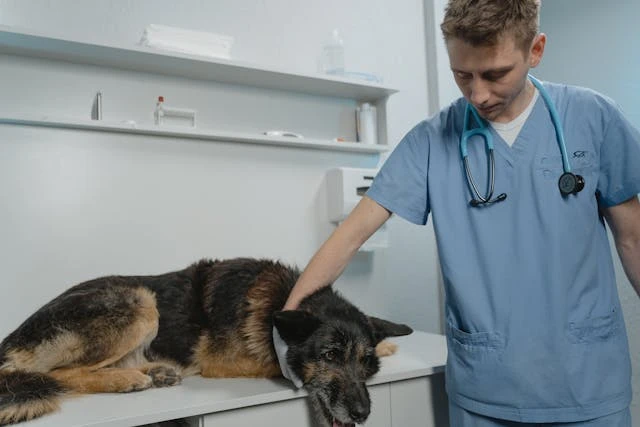
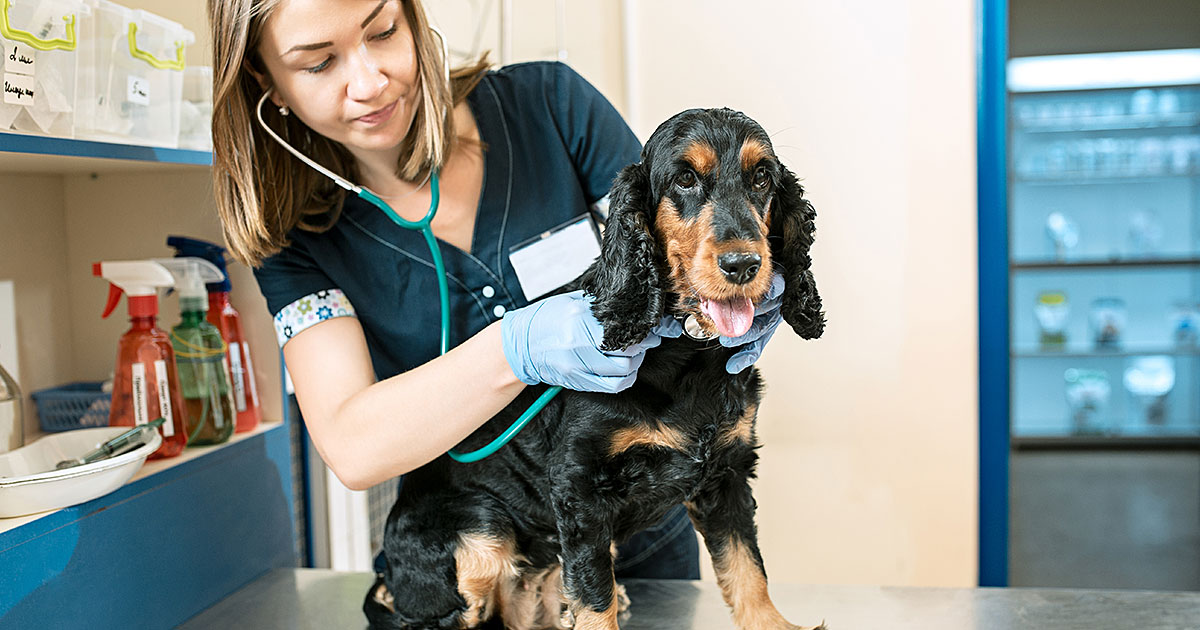
This is one of the biggest benefits of a routine general veterinarian checkup. During a visit, your veterinarian examines your pet from nose to tail, listens to the heart and lungs, checks eyes, ears, teeth, skin, weight, and movement, and may recommend bloodwork or other tests based on age and risk factors.
Imagine a senior cat who has started drinking a bit more water. At home, this might not seem serious. During a regular appointment, blood tests could reveal early kidney changes. Caught early, diet changes and monitoring may keep that cat comfortable for years. Without that visit, the first sign might be a sudden crash that requires hospitalization.
2. Better control of long-term costs
It is natural to worry about the cost of veterinary care. However, regular preventative care often reduces big surprise bills. Vaccines protect against serious diseases that are far more expensive and heartbreaking to treat than they are to prevent. Dental cleanings cost money, but they are usually far less than the cost of treating advanced infection or removing multiple teeth.
Routine exams also give you time to plan. If your veterinarian sees early arthritis, for instance, you can budget for joint supplements, pain control, and maybe future X rays, instead of facing a sudden, large bill during a crisis.
3. Personalized advice at each life stage
Puppies and kittens, energetic adults, and aging seniors all have different needs. Regular appointments give you a chance to ask about nutrition, behavior, exercise, and preventive care that fits exactly where your pet is in life.
For example, a young dog might need guidance on training, spay or neuter timing, and parasite prevention. An adult indoor cat might need a conversation about weight gain and play. An older pet might need screening for lumps, vision changes, or cognitive decline. You are not expected to know all of this on your own. That is the value of steady, ongoing care.
4. A safer home for you and your family
Many diseases and parasites can pass between animals and people. Regular veterinary care helps protect your whole household. Vaccines, deworming, and flea and tick control lower the risk of illnesses that can affect children, pregnant people, older adults, and those with weaker immune systems.
If you are curious about which infections can move from pets to humans, the Centers for Disease Control and Prevention shares clear information on keeping people and pets healthy together. Your veterinarian can tailor that guidance to your specific situation, especially if someone in your home is medically fragile.
5. A trusted relationship before an emergency happens
When you maintain regular veterinary appointments, your pet’s doctor knows their normal. They know how your dog reacts to being handled, what your cat’s usual weight is, and how anxious your rabbit gets in new places. This familiarity is powerful during emergencies.
If something suddenly goes wrong, you are not starting from zero. Your veterinarian has past records, lab results, and notes about behavior and sensitivities. That context can speed up decisions and create better outcomes. It also gives you emotional support from a team that already understands you and your pet.
How do regular vet visits compare to “wait and see” at home?
It can help to look at the difference between relying on home monitoring alone and committing to steady, scheduled care. Neither path is perfect, but one gives you stronger odds of protecting your pet and your budget.
| Approach | Short term experience | Long term health impact | Financial impact over time |
| “Wait and see” at home | Fewer vet visits, less immediate hassle. Easy to put off decisions. | Higher risk of late diagnosis. Problems often found when advanced or painful. | Can lead to large, sudden emergency bills and more intensive treatments. |
| Regular veterinary appointments | More planned visits and some upfront cost. Clearer schedule and expectations. | Better chance of catching issues early. Improved comfort and quality of life. | Costs are more predictable. Often reduces expensive crises and hospital stays. |
When you see it laid out this way, the path of consistent care often brings more control and less fear. You still cannot prevent every illness, but you can avoid feeling blindsided as often.
What can you do right now to protect your pet’s health?
You do not need to overhaul everything at once. A few focused steps can shift you from worrying in silence to acting with clarity and confidence.
1. Review when your pet last had a full wellness exam
Think back to the last time your pet had a nose to tail checkup, not just a quick visit for vaccines or a specific problem. If it has been more than a year, or more than six months for seniors or pets with chronic conditions, it is time to schedule a new appointment.
Write down any small changes you have noticed. Things like weight gain or loss, new lumps, changes in thirst or appetite, stiffness, bad breath, accidents in the house, or behavior shifts. Bring this list with you. It helps your veterinarian spot patterns that might not be obvious in a short visit.
2. Ask clear questions about prevention and early detection
During your next visit, be direct about your concerns. You might ask.
- “What are the most important screenings for my pet’s age and breed right now?”
- “Are there early signs of disease that I should be watching for at home?”
- “How often should we plan visits to keep up with preventive care?”
- “Is there a way to spread out recommended tests or treatments so the cost is more manageable?”
Your goal is to build a simple plan with your veterinarian, one that feels realistic for your budget and schedule. This turns regular care into a shared project instead of something you face alone.
3. Create a simple home care and monitoring routine
Between visits, small habits can make a big difference. Choose one or two to start.
- Weigh your pet every month if possible, or at least note if their shape is changing.
- Look in their mouth for red gums, bad breath, or broken teeth.
- Run your hands gently over their body to check for new lumps or sore spots.
- Watch their energy, appetite, water intake, and bathroom habits.
If you notice something new or worrying, do not wait for it to “get bad enough.” Call your clinic and ask if your pet should be seen sooner. Because you already keep up with routine vet checkups, that conversation will be easier and more focused.
Moving forward with more confidence and less worry
Caring for an animal you love is both a joy and a responsibility. It is normal to feel unsure, to question whether you are doing the right things, and to feel pulled between concern for your pet and concern for your finances or your time.
Regular veterinary appointments do not remove all risk, but they give you structure, guidance, and reassurance. They help your pet stay comfortable for longer, reduce the chance of painful surprises, and support a healthier home for everyone who shares it.
You do not have to wait for a crisis to ask for help. Reach out to your general veterinarian, schedule that wellness exam, bring your questions, and give yourself credit for taking a thoughtful step toward your pet’s long term health and happiness.