5 Reasons Pet Owners Trust Veterinary Hospitals With Critical Care
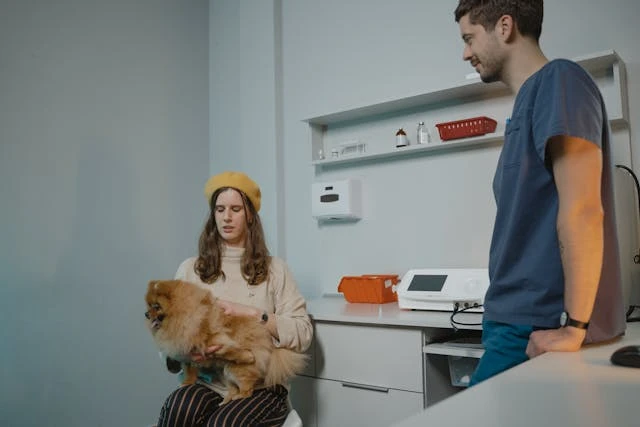
When your pet cannot breathe, walk, or stop shaking, you feel fear and shock. In those moments, you need clear help fast. You do not have time to compare options or search for long answers. You look for people who know what to do right now. That is why many pet owners turn to veterinary hospitals for critical care. You see the lights, the equipment, and the calm faces. You also hear direct words that cut through confusion. A Central Boise veterinarian who treats emergencies every day builds trust through action, not promises. Each urgent visit can either restore hope or deepen loss. So you want to know why these hospitals earn such strong trust. This blog explains five reasons pet owners hand over that power when every second counts.
Also Read: Buy Reddit Accounts for Business Promotion – What You Should Know
1. You gain rapid access to trained emergency teams
In a crisis, every minute matters. Veterinary hospitals keep teams ready for sudden trauma, poison, seizures, or breathing trouble. You walk in and meet people who train for these moments.
Staff know how to:
- Check breathing, pulse, and temperature in seconds
- Place oxygen and start IV fluids fast
- Control bleeding and pain before it grows worse
Many hospitals follow emergency steps that match national guidance. For example, the American Veterinary Medical Association explains common signs of emergency and why fast care matters. You see that same focus in hospital routines. That clear structure calms your panic. You feel less alone.
2. You see clear tools that support life
Trust grows when you see what helps your pet. Veterinary hospitals use clear, tested tools. You can watch the work in real time.
Common tools include:
- Oxygen cages and masks
- X-ray and ultrasound machines
- Monitors for heart rate and blood pressure
- Infusion pumps for exact drug doses
These tools do not replace skill. They support it. The mix of human hands and careful machines gives your pet a stronger chance. You know that your own home cannot match that level of support.
3. You receive honest updates and clear choices
In a crisis, silence harms trust. You need straight talk. Veterinary hospitals that handle critical care learn to give short, clear updates. They explain what they know, what they do not know, and what comes next.
You can expect three key parts:
- A quick summary of what is happening now
- The next one to three steps and why they matter
- A plain talk about costs and outcomes
That rhythm helps you think. You hear facts, not sugar-coated lines. You can ask hard questions. You can also say yes or no to tests or surgery with more calm. Honest talk builds trust faster than perfect news.
4. You benefit from round-the-clock monitoring
Many pets in crisis need care through the night. They may need drugs every hour. They may need oxygen or tube feeding. At home, you cannot watch every breath. In a hospital, staff rotate and watch your pet through each stage.
The table below shows a simple comparison.
| Type of support | At home | Veterinary hospital |
| Breathing support | Open windows and calm touch | Oxygen, breathing checks, fast response |
| Pain control | Oral pills on a set schedule | IV pain drugs and close monitoring |
| Fluids and nutrition | Water and small meals by mouth | IV fluids and tube feeding if needed |
| Seizure watch | Owner checks when awake | Team watch and rapid seizure drugs |
| Lab tests | None during the night | Repeat blood work and fast results |
This constant watch can catch small changes before they turn into organ failure. You gain time. Your pet gains safety.
5. You trust the science that guides each step
Veterinary hospitals do not guess. They lean on years of study and ongoing training. Many follow practice rules and care paths that come from research. You may not see every detail. Yet you see the order and calm that flow from that work.
For example, the U.S. Food and Drug Administration Center for Veterinary Medicine reviews drugs for safety and effect in animals. That means the drugs your pet receives come from strict checks. Staff also learn from each case. They update their approach as new proof grows.
Over time, this pattern of science-based care builds deep trust. You see that choices rest on more than habit or guesswork.
How you can prepare before a crisis
You cannot plan every accident. You can still lower chaos. Three steps help:
- Save the phone number and address of the nearest 24-hour veterinary hospital
- Keep your pet’s records and drug list in one folder or on your phone
- Learn the top signs of emergency, such as trouble breathing or sudden collapse
A small plan can cut precious minutes when fear hits. It also helps staff act faster once you arrive.
Closing thoughts
Critical care for your pet is never simple. It often comes with hard news and hard choices. Yet you do not face it alone. Veterinary hospitals offer trained teams, strong tools, clear talk, constant watch, and science that guides each step. That mix earns trust, visit after visit. When every second counts, you deserve that level of steady support for the animal you love.