How Animal Hospitals Help Manage Parasite Prevention Programs
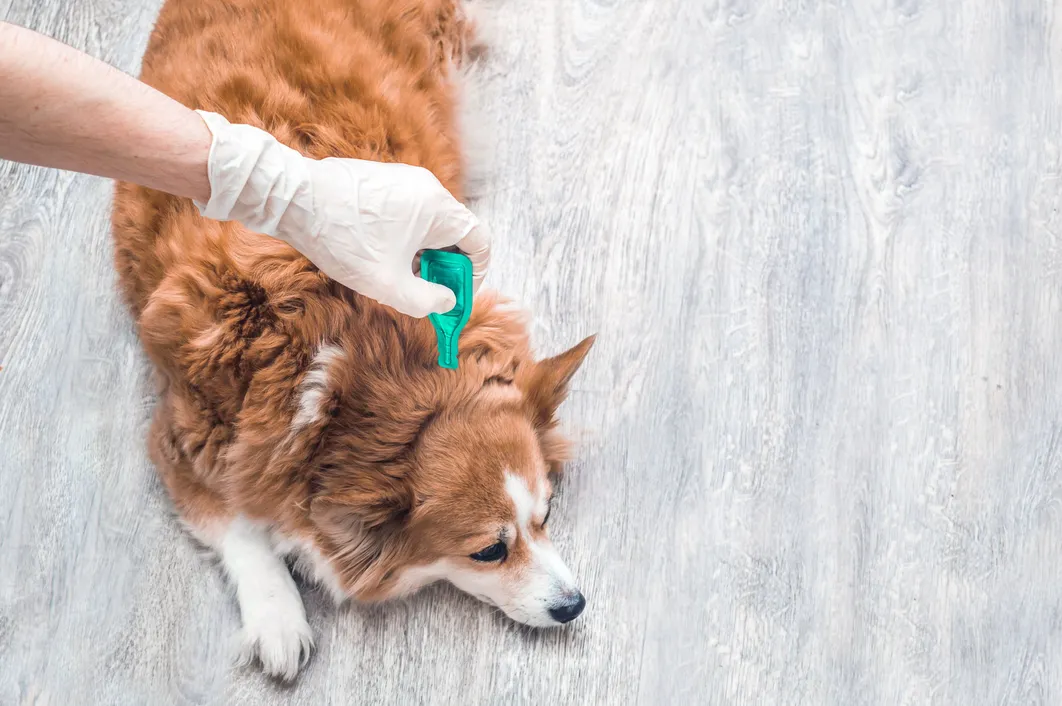
You might be feeling a little uneasy right now. Maybe you just found a tick on your dog after a walk, or your cat started losing weight and your vet at an animal hospital in Niagara Falls ON mentioned the word “worms.” It can be frightening to realize that something you cannot even see could be hurting your pet and possibly putting your family at risk too.end
On one side, you love your pet and want to keep them safe. On the other side, the world of parasites, preventives, schedules, and tests can feel confusing and expensive. Because of this tension, you might wonder if you are doing enough, or if you are spending money on things your pet does not really need.
That is where a strong parasite prevention plan comes in. Animal hospitals are not just there to treat emergencies. They can build a simple, steady routine that keeps parasites from becoming a crisis in the first place. In short, when an animal hospital manages parasite prevention for you, your pet is safer, your home is cleaner, and you have fewer scary surprises down the road.
Why parasites feel so overwhelming when you are trying to be a good pet parent
Most people start worrying about parasites only after something has already gone wrong. Maybe your indoor cat was just diagnosed with intestinal worms and you are wondering how that even happened. Or your dog tested positive for heartworm and now you are facing months of treatment that is hard on them and stressful for you.
Parasites are sneaky. They can live in soil, water, fleas, mosquitoes, and even in the fur of other animals your pet brushes past. They are also not just a “pet problem.” Many parasites are zoonotic, which means they can affect people too. The Centers for Disease Control and Prevention share many examples of how parasites in pets can impact human health, especially for children, older adults, and anyone with a weaker immune system.
Once a pet is infected, you might see vomiting, diarrhea, coughing, scratching, weight loss, or you might see nothing at all until the damage is serious. That uncertainty is what keeps many owners awake at night. You cannot watch your pet every second. You cannot control the environment outside your door. So how are you supposed to stay ahead of something you cannot see?
Where do animal hospitals fit into parasite prevention for your pet?
This is where a trusted animal hospital becomes your partner. Rather than leaving you to guess which product to buy or which schedule to follow, the veterinary team can build a tailored parasite prevention plan that fits your pet’s age, lifestyle, and health history.
Veterinary professionals are trained to recognize local parasite risks and to follow evidence based guidelines. The CDC even maintains specific veterinary resources for parasite control and zoonotic disease prevention. Your animal hospital uses this kind of information to guide the advice they give you.
Consider a few common “what if” situations.
What if you have an indoor only cat and you assume they are safe? In reality, indoor cats can still be exposed to gastrointestinal parasites through potting soil, insects, or even a single flea that hitches a ride into your home. Cornell’s Feline Health Center explains how intestinal parasites in cats can cause weight loss, diarrhea, and anemia. An animal hospital can recommend periodic fecal testing and simple, low stress preventives that keep these risks small.
What if you live in a heartworm region and forget a dose for your dog? Instead of panicking or guessing, your vet can review the timing, decide if a heartworm test is needed, and adjust your dog’s medications safely. Without that guidance, you might give overlapping products or wait too long, which adds risk.
So, where does that leave you? It leaves you with a choice. You can try to manage everything on your own, or you can let your animal hospital share the burden and turn parasite control into a routine instead of a crisis.
DIY parasite prevention vs animal hospital support: what is the real difference?
Many owners wonder if they can handle parasite control themselves. After all, there are shelves of products online and in stores. The question is not whether you can buy a product. The question is whether you are getting the right product, at the right dose, on the right schedule, for the right parasite risks.
The table below compares a do it yourself approach with a hospital managed parasite control program.
| Aspect | DIY Parasite Prevention | Animal Hospital Managed Program |
| Choosing products | Based on ads, price, or reviews. Higher risk of picking the wrong product for your pet’s species, weight, or health issues. | Chosen by a veterinarian who knows your pet and local parasite patterns. Safer combinations and dosing. |
| Monitoring side effects | You may not know what is normal or when to worry. Easy to delay getting help. | Team explains expected reactions and red flags. Quick follow up if something seems off. |
| Detecting infections | Often based on symptoms. Many infections stay “silent” until advanced. | Regular fecal tests, blood tests, and exams catch problems early or confirm that prevention is working. |
| Cost over time | May look cheaper month to month. Higher risk of treatment costs if prevention fails or is inconsistent. | Predictable monthly or yearly cost. Lower chance of emergency bills from severe infestations or diseases. |
| Family health protection | Easy to overlook zoonotic risks to children or immune compromised family members. | Guidance on handwashing, litter box habits, and yard care helps protect everyone in the home. |
| Peace of mind | Lingering doubt about whether you are doing enough or doing it correctly. | Clear plan, written schedule, and a team to call with questions. Less guessing and worry. |
When you look at it this way, an animal hospital does more than sell products. It provides structure, monitoring, and a safety net. That is the real value of a professional parasite prevention service, even when everything seems fine on the surface.
Three practical steps you can take right now to protect your pet
1. Schedule a parasite risk review with your vet
Ask your animal hospital for an appointment focused only on parasites. Bring information about your pet’s age, travel history, time spent outdoors, contact with other animals, and any previous infections. During this visit, ask which parasites are most common in your area, which tests your pet needs, and which preventives are recommended. This turns a vague fear into a clear plan.
2. Set up a prevention calendar you will actually follow
Once your vet recommends products, build a simple reminder system that fits your life. That might be phone reminders, a paper calendar on the fridge, or pairing each dose with another monthly habit like paying a bill. Consistency is what makes a parasite prevention program work. Missing doses is one of the most common reasons pets end up infected even when owners are trying their best.
3. Watch for subtle changes and speak up early
Do not wait for severe symptoms. Mild coughing, soft stool, scooting, scratching, or a change in appetite can all be early signs of parasite trouble. Keep a small notebook or notes app where you jot down anything new you see. If something keeps showing up, call your animal hospital and share those details. Early conversations often avoid bigger problems and bigger bills.
Moving forward with more confidence and less fear
You care deeply about your pet. That is why the idea of parasites is so unsettling. The good news is that you do not have to manage this alone, and you do not need to become an expert in every worm, flea, and tick out there.
When you work with an animal hospital to manage parasite prevention, you gain a partner who understands the risks, the science, and the practical realities of your daily life. Together, you can create a steady routine that keeps your pet safer, reduces the chance of parasites in your home, and gives you more space to simply enjoy your time with them.
You have already taken the first step by learning more. The next step is simple. Talk with your veterinary team about building or updating your pet’s parasite prevention plan so you can move from worry to a calm, reliable routine.