How Contracting Standards Shape Construction Projects
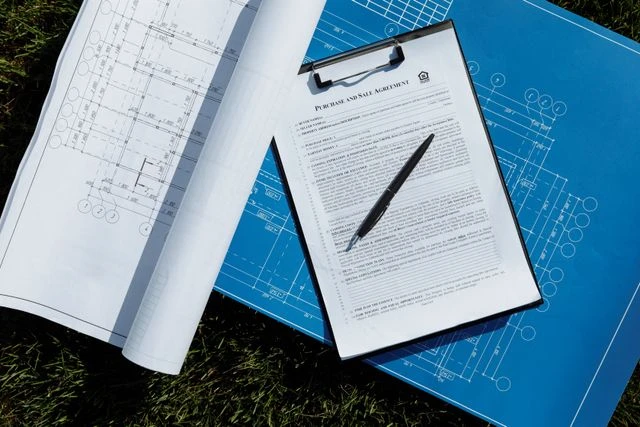
Successful construction projects rely on far more than skilled labor and quality materials. Behind every completed facility is a framework of contracting standards that guides planning, communication, procurement, quality control, and project delivery.
Also Read: Why Animal Hospitals Are Essential For Long Term Preventive Care
Navigator International Construction Company applies these principles to help manage complex global construction projects where consistency, accountability, and coordination matter from start to finish.
Strong Contract Planning Creates a Reliable Project Foundation
Every construction contract establishes the expectations for the work ahead. It outlines the project scope, delivery schedule, responsibilities, technical requirements, payment terms, and performance standards before construction begins. Clear agreements reduce uncertainty by giving every participant the same understanding of the project’s objectives.
Planning at this stage also helps identify potential challenges before they affect the schedule. Contract reviews often address design coordination, procurement timing, permit requirements, risk allocation, and reporting procedures. Projects move more efficiently when expectations are defined early instead of being interpreted differently after work is underway.
Defined Responsibilities Keep Large Teams Working Together
International construction projects rarely involve a single organization. Owners, architects, engineers, subcontractors, consultants, suppliers, and specialty contractors each perform different tasks while contributing to the same overall goal. Clearly assigned responsibilities help prevent duplicated work, overlooked tasks, and unnecessary delays.
Organized communication supports those responsibilities throughout the project. Each participant understands where decisions originate, who approves changes, and how information moves between office teams and field personnel. Navigator International Global Construction recognizes that strong coordination begins with clearly defined roles across every phase of construction.
Quality Standards Influence Every Stage of Construction
Quality does not depend only on the finished appearance of a building. Materials, installation methods, inspections, testing procedures, and documentation all contribute to long-term performance. Construction standards establish measurable expectations before crews begin work, helping ensure consistency throughout the project.
Regular inspections allow project teams to verify progress while correcting issues before they affect later phases. Testing structural components, mechanical systems, electrical installations, and specialty equipment during construction reduces the chance of larger problems after completion. Maintaining these quality processes supports dependable project outcomes across diverse construction environments.
Procurement Requirements Help Projects Stay on Schedule
Construction schedules depend heavily on material availability. Delayed equipment, specialty products, or structural components can affect multiple trades waiting to begin their work. Procurement planning helps organize purchasing, manufacturing, shipping, and delivery well before installation dates arrive.
Reliable procurement also improves cost management. Early coordination allows project teams to monitor lead times, identify alternative suppliers when necessary, and reduce unexpected interruptions. Global construction projects benefit when procurement becomes an active part of overall project planning rather than a separate activity.
Documentation Supports Better Project Accountability
Construction generates thousands of project records from beginning to end. Drawings, change orders, inspection reports, meeting minutes, equipment data, testing results, schedules, and daily reports create a detailed history of how work progresses. Accurate documentation provides valuable references whenever questions arise during construction.
Organized records also simplify project closeout and future maintenance. Owners receive information that helps operate, inspect, and maintain facilities long after construction crews leave the site. Well-managed documentation reflects the disciplined approach expected on large international construction programs.
Risk Management Helps Reduce Unexpected Delays
Every construction project carries some level of uncertainty. Weather conditions, supply chain changes, regulatory updates, labor availability, and design revisions all have the potential to affect progress. Identifying these possibilities early allows project teams to prepare practical responses before they become larger issues.
Ongoing monitoring keeps those plans effective throughout construction. Regular reviews help project managers adjust schedules, coordinate resources, and communicate changes while minimizing disruption. This proactive approach supports more predictable outcomes across complex global projects.
Consistent Communication Strengthens International Collaboration
Construction teams often operate across different countries, time zones, languages, and regulatory systems. Without structured communication, misunderstandings can quickly affect schedules, budgets, and technical decisions. Clear reporting processes help everyone stay informed regardless of location.
Frequent coordination meetings, updated schedules, shared project documentation, and timely decision-making all improve collaboration. Nav Int supports international construction by helping project teams exchange accurate information throughout planning, procurement, construction, and project completion.
Integrated Delivery Standards Support Long-Term Project Success
Large construction programs perform best when planning, engineering, procurement, logistics, field operations, quality control, and project management work as one connected system. Integrated delivery standards reduce gaps between project phases while helping each team understand how its work supports the overall objective. This coordinated approach creates greater consistency throughout the construction process.
Navigator International brings together design-build services, construction management, engineering coordination, procurement support, logistics planning, infrastructure development, renovation expertise, and worldwide project execution to support demanding global construction programs. Through these integrated capabilities, Navigator International continues delivering practical solutions for clients seeking experienced leadership across complex international construction projects.