Rent Garbage Container for Large Projects Complete Overview
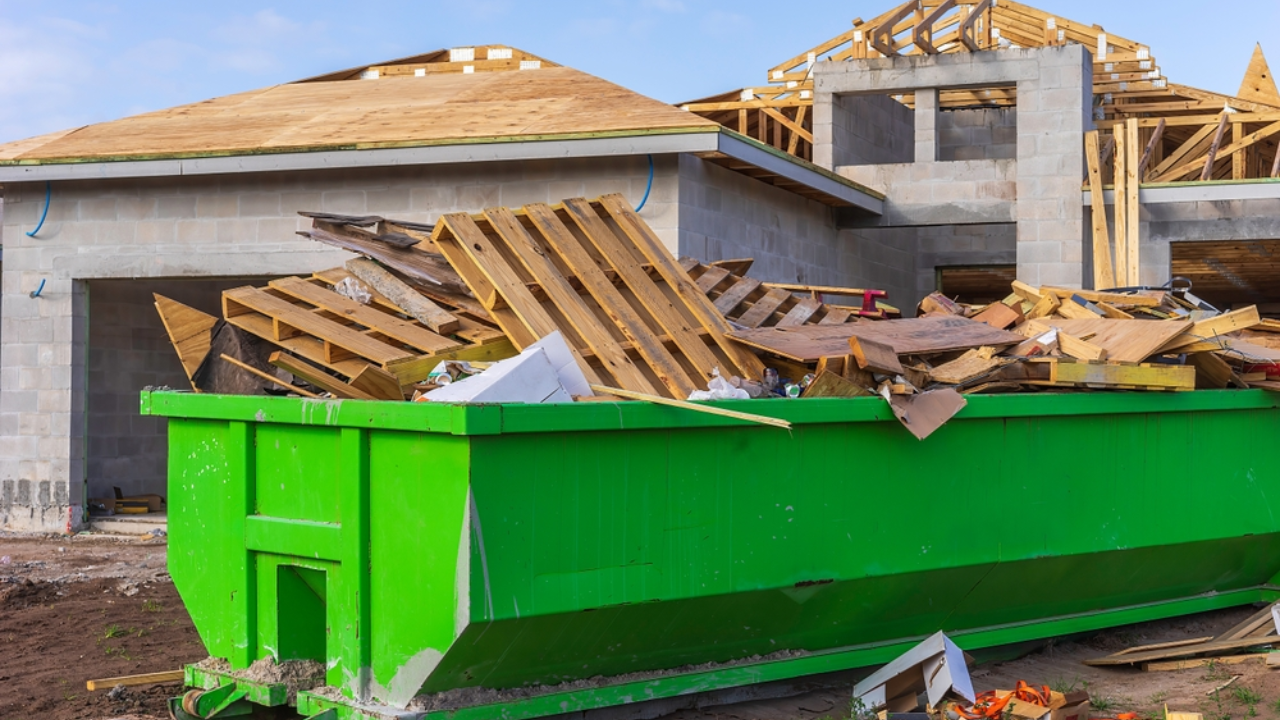
If you have ever been part of a big project, you already know this one thing for sure. Waste shows up faster than the actual progress sometimes. One day things look fine, next day there are broken pieces, dust, packaging, random junk everywhere and suddenly the whole place feels messy and hard to manage. That is usually the point where people realize they should have planned better and just decided early on to rent garbage container instead of figuring things out in the middle of chaos.
Large Projects Get Messy Faster Than You Expect
Honestly, no matter how organized you think you are, large projects have a way of getting out of hand when it comes to waste. You might think you will handle it little by little, but it does not really work like that. People get busy with actual work, deadlines start getting closer, and waste just keeps sitting there.
And the problem is not just about looks. A messy site slows people down. Workers waste time walking around stuff, sometimes even risk getting hurt. It just creates this constant friction that you do not really notice at first but it adds up over time. Having a proper place to throw everything from the start makes things feel a lot more under control.
Also Read: Wholesale Sublimated Baseball Jerseys Manufacturer
What It Really Means to Rent a Garbage Container
A lot of people think it is just about getting a big bin and throwing things in it, but it is a bit more than that in real life. When you decide to rent garbage container services, you are basically making your life easier for the entire duration of the project.
You get the container delivered, it sits there while work is going on, people use it without thinking too much, and then once it is full or work is done, it gets taken away. No repeated trips, no last minute panic, no trying to figure out where to dump stuff legally. It is simple, but that simplicity saves a lot of time and stress.
Picking the Right Size Without Guessing Too Much
This part is where many people mess up, and it usually costs them extra. Either they go for something too small thinking they will manage, or they go too big just to be safe and end up paying more than needed.
The better way is to just be realistic. Think about what kind of work you are doing. Renovation, construction, or just clearing out a big space all create different types of waste. When you look into a dumpster rental, it helps to actually talk about your project instead of just clicking a size randomly.
Most service providers already know what works for what kind of job, so a small conversation can save you from making a bad choice.
Not All Waste Is the Same
This is something people usually learn after they have already made a mistake. You cannot just throw everything into one bin without checking. Some materials are fine, some are not, and some need special handling.
If you are planning to get a junk bin rental, it is better to be clear from the beginning. Construction debris, old furniture, garden waste, heavy materials like concrete all behave differently when it comes to disposal.
If you ignore this part, you might end up with extra charges or delays, which no one really wants in the middle of an ongoing project.
Where You Place the Container Actually Matters
It sounds like a small thing, but placement can either make things easier or slightly annoying every single day. If the container is too far, people will avoid using it properly. If it is right in the middle of everything, it can block movement.
The sweet spot is somewhere easy to access but not in the way. This is one of those small decisions that quietly affect how smoothly your project runs. Good providers usually help with this, but you still need to think about your own space and workflow.
Cost Is Not Just About the Price Tag
At first, people just look at the number and think that is the total cost, but it is not always that simple. The cost of a dumpster rental depends on size, how long you keep it, and what kind of waste you are putting inside.
Also, poor planning can make things more expensive than they should be. If you fill up too fast and need another one, or if you use the wrong type of bin, the costs start adding up without you noticing.
A little bit of planning at the start usually saves a lot more than trying to fix things later.
Why It Actually Makes Life Easier
This might sound obvious, but once you have a proper system for waste, everything else feels smoother. People focus more on their work instead of dealing with random piles of junk.
The site looks cleaner, which weirdly helps with motivation too. Even clients or anyone visiting will feel like things are being handled properly. It just gives a sense that the project is under control instead of being all over the place.
Getting the Most Out of It Without Overthinking
Just be a bit mindful. Break down large items if possible, do not just throw things randomly, and try to use the space wisely.
Also, make sure everyone on the site knows how it works. If only a few people use it properly and others do not, it defeats the whole purpose. A little coordination goes a long way here.
READ THIS ALSO “SATWAROUNDABOUTDUBAI”
Final Thoughts
At the end of the day, large projects are already demanding enough. There are deadlines, costs, and a lot of moving parts. Waste management should not be another headache on top of all that.
Choosing to rent garbage container early on just makes things simpler. It keeps your space cleaner, your work smoother, and your mind a bit less stressed.
Whether you go for a dumpster rental or a junk bin rental, the idea is the same. Plan a little, choose properly, and use it well. It is one of those small decisions that quietly make a big difference once the project is in full swing.