Why Annual Exams Save Lives In Small Animal Veterinary Hospitals
You might look at your dog or cat and think, “They seem fine, so do we really need a yearly visit?” That feeling is common, especially when life is busy and your pet is eating, playing, and acting like nothing is wrong. The hard part is that many serious health problems in pets begin quietly, long before you can see them at home. That is why annual exams matter so much. They give experienced Pittsboro veterinarians a chance to catch changes early, lower the risk of bigger problems later, and protect not only your pet’s health, but your family’s as well.
When you share your home with an animal, you are making daily choices out of love. Food, walks, litter box care, treats, and cuddle time all feel obvious. Preventive care can feel less urgent because it is built around what might happen, not what is happening right now. Because of that tension, you might wonder if a yearly checkup is really worth it. In many cases, it is the visit that helps stop pain, disease, and avoidable emergencies before they take hold.
What can an annual pet exam catch before you notice a problem?
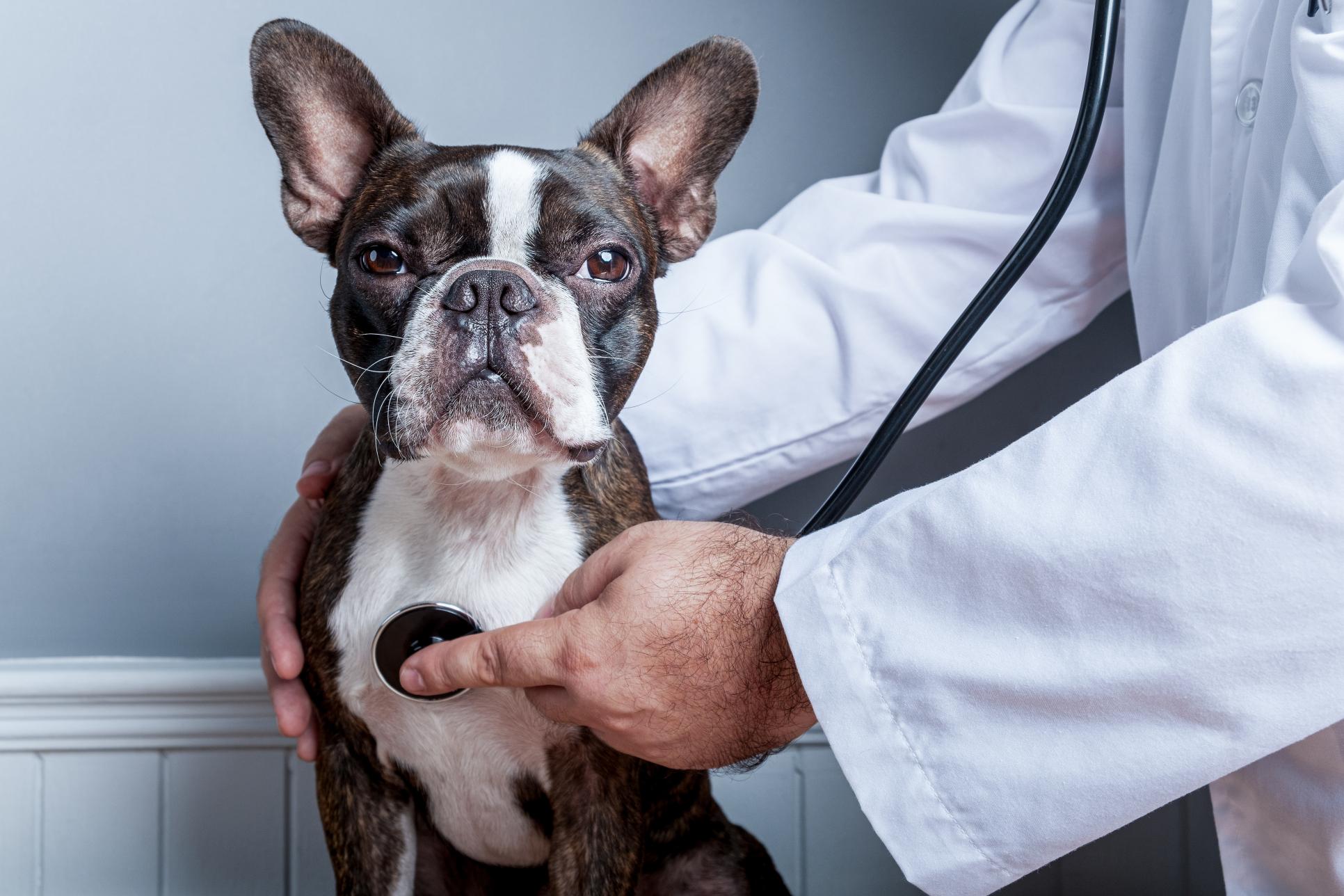
Pets are skilled at hiding pain. A cat with dental disease may still eat. A dog with early arthritis may only seem a little slower on stairs. Weight gain can creep up so gradually that it feels normal. During an annual exam, a small animal veterinary hospital checks the details that are easy to miss, including body condition, heart and lung sounds, skin changes, ear issues, dental health, lumps, joint pain, and signs of illness that may need lab work.
This is where yearly pet wellness exams can truly change outcomes. A small lump found early may be easier to remove. Dental disease caught in time may prevent chronic pain and infection. A heart murmur heard during a routine visit may lead to testing that protects your pet for months or years. The goal is not to create worry. The goal is to replace guesswork with a clear picture of your pet’s health.
There is also the public health side of the conversation. Some diseases can pass between animals and people. The Centers for Disease Control and Prevention explains how zoonotic diseases affect both pets and humans, which is one more reason regular veterinary care matters. When your pet stays healthier, your household is safer too.
Why do small changes become expensive emergencies if they are ignored?
Most families are not avoiding care because they do not love their pets. They are trying to balance time, stress, and cost. But waiting until your pet is clearly sick often leads to more testing, more treatment, and more emotional strain. A routine exam is usually simpler than an urgent visit for vomiting that will not stop, severe dental pain, advanced skin disease, or a parasite problem that has spread through the home.
Think about a few common examples. A dog who skips preventive visits may miss tick prevention and develop a tick borne illness. A cat who avoids regular exams may hide kidney disease until appetite drops and weight loss becomes obvious. A senior pet may have blood pressure changes or early organ disease that only show up through screening. What seems like saving money now can turn into a much harder road later.
If you want a clearer sense of what routine care includes, this pet health center resource offers helpful guidance on preventive services, wellness planning, and common health needs across life stages.
How do annual exams help at every age, not just when pets get older?
It is easy to think of checkups as something senior pets need, but puppies, kittens, and healthy adults benefit too. Younger pets need vaccines, parasite screening, nutrition guidance, and behavior support. Adult pets need weight monitoring, dental checks, and prevention plans that fit their daily life. Senior pets often need closer screening because age raises the risk of chronic disease.
The Ohio State healthy pet guidelines outline how preventive care changes across a pet’s life. That kind of life stage planning matters because a one size fits all schedule rarely gives pets what they actually need. Your pet’s breed, age, home environment, and medical history all shape the right plan.
What are the real benefits of routine veterinary visits compared with waiting?
| Approach | What it Often Looks Like | Likely Result |
| Annual exams and prevention | Physical exam, vaccines as needed, parasite prevention, dental check, weight review, early lab screening | Problems found sooner, lower risk of crisis visits, better long term comfort and health |
| Waiting until symptoms appear | Care starts after limping, appetite loss, itching, bad breath, vomiting, or behavior changes become obvious | Illness may be more advanced, treatment may cost more, recovery may take longer |
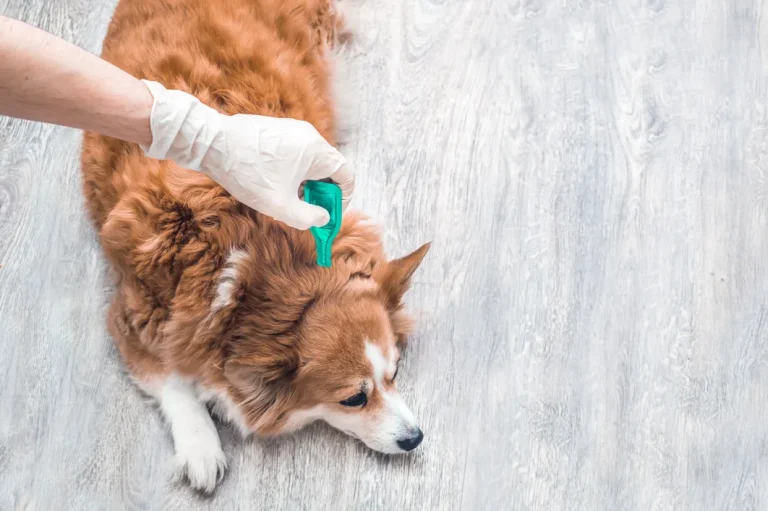
Parasite prevention is a good example of this difference. Ticks can spread disease before many owners even realize there is a problem. The CDC shares practical steps for preventing ticks on pets, but prevention works best when it is part of regular care, not an afterthought after exposure.
What can you do right now to protect your pet?
1. Put the annual exam on your calendar now. Treat it like any other important health appointment in your household. If your pet is a senior or has an ongoing condition, ask whether more frequent visits make sense.
2. Keep a short list of small changes at home. Write down shifts in appetite, thirst, weight, energy, bathroom habits, scratching, breath odor, or movement. These details help your veterinarian connect the dots during a preventive veterinary exam.
3. Ask for a prevention plan, not just a checkup. A good visit should cover vaccines, dental care, nutrition, parasite control, and age based screening. This is where a trusted veterinary hospital can tailor care to your pet’s real life.
When peace of mind matters, is an annual exam worth it?
Yes, because annual exams are not only about finding disease. They are about preserving normal days. More comfortable walks. Easier meals. Better sleep. Fewer painful surprises. In a small animal veterinary hospital, those routine visits create a record of your pet’s health over time, and that record can be the key to spotting trouble early.
If your pet seems healthy, that is the best time to go. Preventive care works best before there is a crisis, when you still have options and time on your side. Schedule your pet’s next wellness visit and give yourself the reassurance that comes from staying ahead of problems, not reacting to them after they grow.